- October 14, 2026
- By: Thortex Dumpsters
- in: News
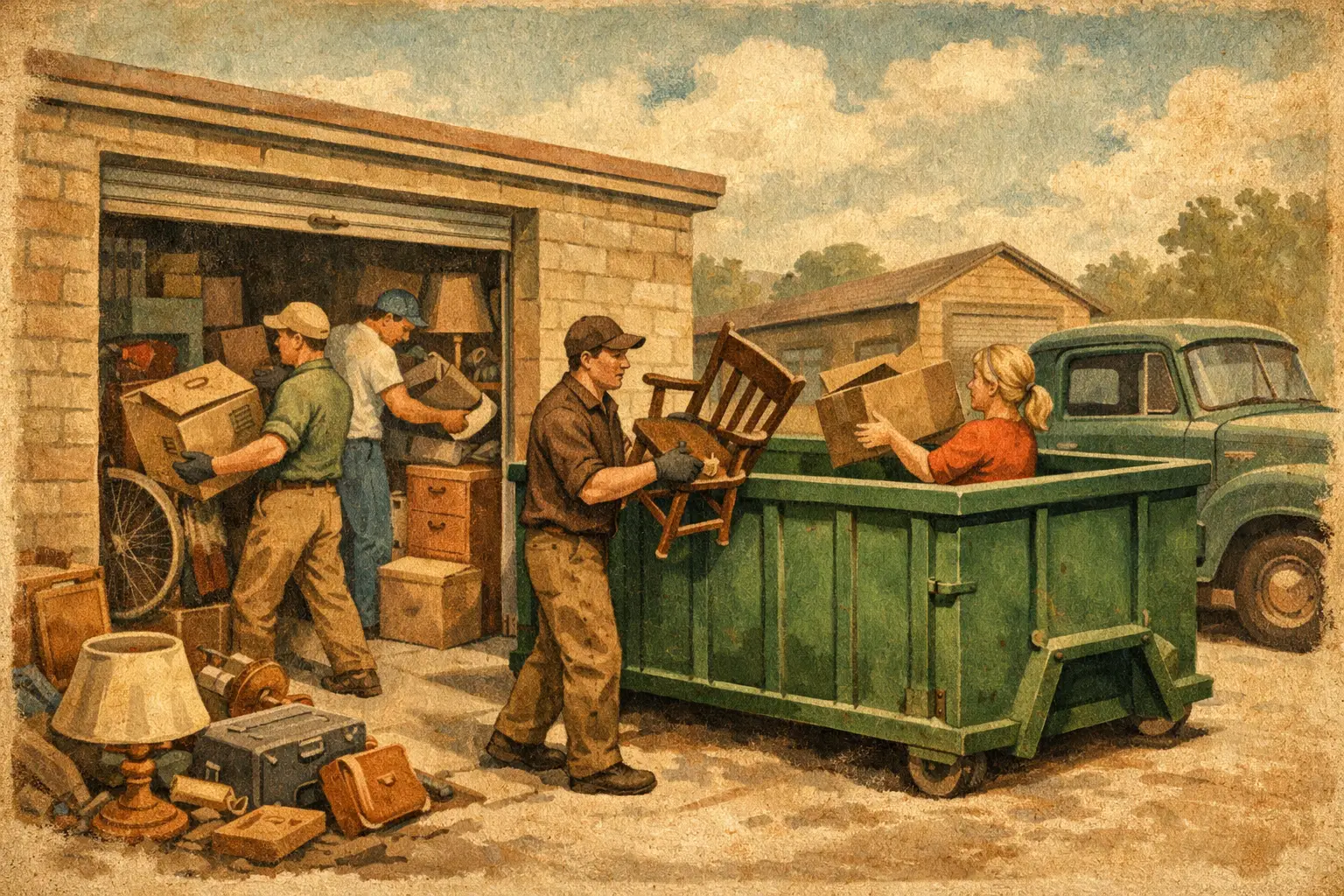
A storage unit can turn into an expensive loose end fast. Maybe a move left behind more than expected, an estate needs to be cleared, a tenant abandoned property, or the monthly bill has simply gone on too long. A storage unit cleanout service takes the physical work, hauling, and disposal off your plate so you can close out the unit without spending your weekend sorting and loading debris.
For many people, the hardest part is not deciding to clean out the unit. It is figuring out what is worth keeping, what can be donated, and how to get bulky furniture, boxes, appliances, and miscellaneous junk out in one trip. The right approach depends on the amount of material, the unit’s access, your timeline, and whether you want to do any of the loading yourself.
Full-service cleanout is built for situations where you need the unit emptied, not just a place to throw things away. A crew does the heavy lifting, loads the material, hauls it away, and works to dispose of items responsibly. That can be a major relief when a unit is packed floor to ceiling, contains large furniture, or has been untouched for years.
A typical cleanout may include household furniture, mattresses, bagged trash, boxes, shelving, clothing, small household items, and non-hazardous debris. It can also help with the awkward items that are difficult to move alone, such as old couches, broken dressers, bed frames, and heavy totes.
The service is especially useful for estate representatives, landlords, property managers, and family members who live out of town. Instead of coordinating friends, borrowing a truck, and making multiple disposal runs, you have one local crew handling the job from start to finish.
That does not mean every item should go in the haul-away pile. Before work starts, take a quick pass through the unit for personal documents, photos, jewelry, tools, firearms, family keepsakes, and anything you may want to sell or donate. Once items are loaded for disposal, recovering something you overlooked becomes much harder.
Both options solve a disposal problem, but they fit different jobs. Full-service junk removal is usually the better choice when you want the work done quickly, cannot lift heavy items, do not have help, or need the unit cleared on a specific deadline. You point out what goes, and the crew handles the labor.
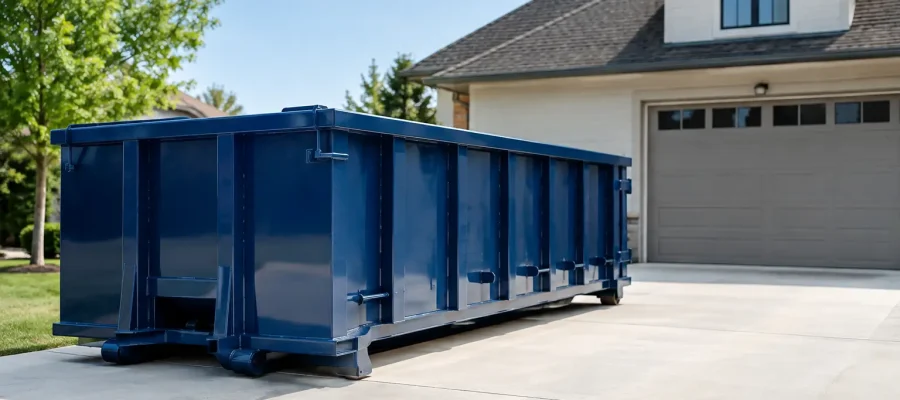
A 20-yard roll-off dumpster can make more sense when you have time to sort and load the unit yourself. It is often a practical option if the storage cleanout is part of a larger project, such as clearing a garage, preparing a house for sale, cleaning up a barn, or handling debris from a renovation. You get room for the storage-unit contents and the rest of the cleanup without scheduling separate pickups.
The trade-off is simple. A dumpster gives you more control over the pace of the work, but you provide the labor. A cleanout crew saves effort and time, but the quote reflects the labor, hauling, disposal, and volume of material involved.
For Knoxville-area customers, THORTEX Dumpsters can help determine which option fits the job before anyone starts moving boxes. A quick conversation about the unit size, contents, access, and deadline can prevent you from renting more capacity than you need or underestimating a job that needs hands-on removal.
Honest pricing starts with understanding the actual job. Storage unit size matters, but it is not the only factor. A 10-by-10 unit filled with light boxes may take less time and disposal capacity than a smaller unit packed with old furniture, wet materials, and heavy household goods.
The biggest cost factors are volume, weight, labor, and access. Material that is piled high, tightly packed, or located far from the loading area takes longer to remove. Units on upper levels, units without elevator access, and facilities with limited loading space can also affect the labor involved.
The type of material matters, too. General household junk is different from construction debris, tires, electronics, paint, chemicals, or appliances that require special handling. A dependable provider should explain what can be removed, what may carry additional disposal costs, and what cannot be accepted before the work begins.
Ask for a clear quote and make sure you understand what it covers. You should know whether labor, hauling, disposal, and any extra fees for special items are included. The goal is straightforward: know the cost before the crew ever lifts a thing.
You do not need to organize every box for a cleanout service to work efficiently. Still, a little preparation protects your belongings and helps the job move faster.
Start by contacting the storage facility. Confirm its access hours, gate code procedures, parking rules, elevator availability, and whether the facility requires proof that your account is current. Some locations have strict rules for where a truck can park or how long loading areas can be used.
Then set aside anything you plan to keep. If possible, move keep-items near the front or clearly mark them. This is particularly helpful during estate cleanouts, where some belongings may be designated for family members while the rest of the unit is being removed.
If you know there are restricted materials inside, mention them when requesting a quote. Common examples include paint, fuel, propane tanks, chemicals, ammunition, batteries, and certain electronics. Do not bury those items in a pile and hope they can be taken. Safe, responsible disposal starts with clear communication.
Finally, make a simple plan for the end of the job. Once the unit is empty, you may need to sweep it out, take photos for the facility, remove your lock, and confirm that your rental agreement is closed. A clean unit does not automatically mean the account has been canceled.
Most storage cleanouts involve ordinary non-hazardous belongings, but a few items can change the plan. Hazardous waste cannot be tossed into a standard dumpster or loaded with general junk. That includes liquids, chemicals, gasoline, solvents, pesticides, and similar materials.
Some other materials may need to be handled separately due to local disposal requirements or added processing costs. Be upfront about appliances, televisions, tires, large amounts of metal, old paint, batteries, and anything that could leak or create a safety issue.
If the unit has signs of water damage, mold, pests, or animal waste, say so before scheduling. The job may still be manageable, but the crew needs an accurate picture of the conditions to prepare properly and quote the work fairly.
Storage cleanouts are often time-sensitive. A lien sale, a move-out deadline, an estate closing, or another month of rent can put pressure on the decision. That is why responsiveness matters as much as hauling capacity.
Look for a local company that will answer direct questions about scheduling, pricing, accepted materials, and access issues. You should not have to chase down basic information or wonder when a crew will arrive. Dependable communication is part of the service, especially when you are coordinating with a storage manager, realtor, family member, or property owner.
It also helps to work with a provider that offers both removal and dumpster rental. Some jobs begin as a simple haul-away and grow once the unit is opened. Others look overwhelming at first but become manageable with a dumpster and a few days of sorting. Having both options lets you choose based on the job in front of you instead of forcing the job into one solution.
If that storage unit has been hanging over your head, start with a few clear photos and an honest description of what is inside. Call or text for a free estimate, ask what can be taken, and set a date that works with the facility’s access rules. A cleared unit means one less bill, one less obligation, and a lot less clutter following you into the next chapter.
Post a Comment