- October 14, 2026
- By: Thortex Dumpsters
- in: News

A vacant property can become expensive fast. Every day a rental sits unlisted, a home sale waits on cleanup, or a renovation crew works around old debris is a day the next job cannot begin. Property turnover junk removal gives landlords, real estate agents, homeowners, and property managers a practical way to clear the mess, protect the schedule, and get the space ready for what comes next.
The right approach depends on the property and who is available to do the work. Some turnovers need a crew to remove everything from inside the house. Others are a better fit for a roll-off dumpster where your maintenance team, contractor, or family can load at their own pace. The goal is the same: get non-hazardous debris out without adding another headache to an already busy turnover.
Before scheduling removal, walk the property from the curb to the back fence. Open closets, check sheds and garages, look behind appliances, and inspect storage areas. Turnover debris has a way of hiding in places that do not show up in listing photos.
Separate what is staying from what is leaving. This sounds simple, but it prevents costly mistakes when a crew arrives and finds appliances meant for the new tenant, contractor materials, or personal items waiting for family pickup. If a property is part of an estate or eviction, set aside anything that may need review before disposal.
It also helps to identify the type of debris. Household furnishings, bagged trash, boxes, clothing, old cabinets, flooring, and general renovation waste can often be handled in one cleanup plan. Heavy material such as concrete, brick, dirt, roofing, or large amounts of shingles may affect the right container choice and the final disposal cost. Honest details upfront lead to a better quote and fewer surprises later.
A full-service junk removal crew makes sense when labor is the real problem. Maybe the unit is on a tight deadline, the house is full of furniture, the debris is scattered through several rooms, or there is nobody available to carry heavy items. The crew does the lifting, loading, hauling, and responsible disposal, leaving the property ready for cleaning, repairs, or staging.
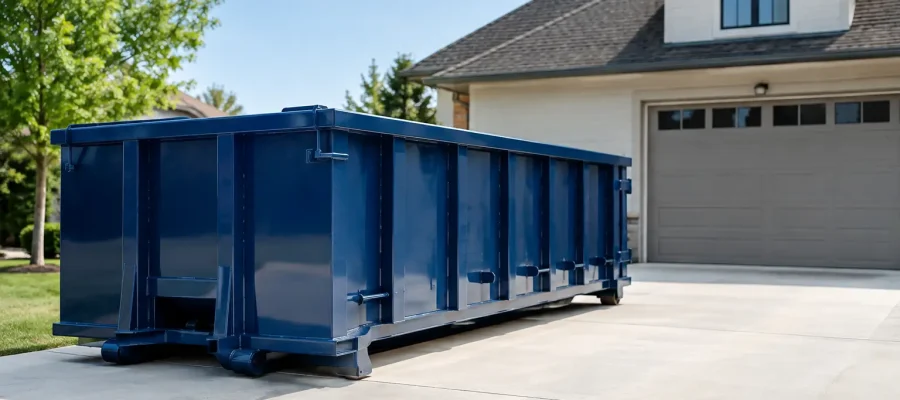
A 20-yard roll-off dumpster is often the better option when you have people on-site who can load it. Maintenance teams clearing several units, contractors replacing flooring or cabinets, and homeowners tackling a house cleanout can work as they go instead of trying to finish everything in one appointment. A dumpster also gives you room to handle debris that keeps appearing once walls, closets, and garages are opened up.
There is a trade-off. A crew is usually the fastest hands-off option, while a dumpster gives you more control over the loading timeline. If repairs will stretch across several days, a dumpster can be a practical fit. If keys need to be handed over tomorrow morning, full-service removal may be worth it.
THORTEX Dumpsters helps local customers choose between both options without making the decision complicated. Call or text with the property type, debris volume, and target date, and know the cost before work begins.
Good access keeps a cleanup moving. For a dumpster, identify a flat driveway or job-site area with enough space for delivery and pickup. Move vehicles, trailers, and equipment before the scheduled arrival. If you are managing an apartment or shared property, make sure the dumpster location will not block residents, emergency access, or routine traffic.
For junk removal, clear a path through the home where possible. Unlock gates, secure pets, and point out anything that should stay. A little preparation helps the crew focus on hauling instead of sorting through avoidable questions.
The first pass should focus on the places that slow down inspections, repairs, and cleaning. Start with large furniture and loose trash in main living areas. Then move to kitchens, bathrooms, bedrooms, garages, sheds, and exterior piles. Clearing the big items first gives you a true view of the property’s condition.
Pay close attention to refrigerators, freezers, and cabinets. Remove food, loose contents, and anything that could spill or create odors during hauling. Old carpet, damaged drywall, broken fixtures, and torn-out materials can usually be loaded as part of a non-hazardous cleanup, but keep heavy debris in mind so you do not exceed the container’s included weight allowance.
A practical turnover sequence looks like this:
This order avoids cleaning around junk or paying contractors to work in cluttered rooms. It also makes it easier to spot damage that was hidden behind piles of belongings.
A dumpster is not a catch-all container, and the same is true for most hauling services. Hazardous materials need separate handling. Do not toss in paint, chemicals, fuels, propane tanks, batteries, tires, asbestos-containing materials, or other restricted waste without asking first. If you are unsure about an item, call or text before loading it. A quick question can prevent a rejected load, added fees, or a safety problem.
Load debris evenly and keep everything below the top rail of the dumpster. Overfilled containers can be unsafe to transport and may not meet Department of Transportation requirements. If doors are available for walk-in loading, use them for heavy objects instead of lifting items over the side. Break down boxes, stack materials where safe, and place bulky items thoughtfully so valuable container space is not wasted.
For a full-service pickup, tell the removal team about unusually heavy items, difficult stairs, long carry distances, or items in a crawl space, barn, or storage unit. Those details matter when planning the right crew, equipment, and appointment window.
The best time to arrange disposal is before the last tenant leaves or before demolition begins. Waiting until the property is already full of debris often creates a rush job, especially when painters, cleaners, installers, and inspectors are lined up behind each other.
Coordinate the removal date with the rest of the work. A dumpster should arrive early enough for the crew to use it but not so early that it takes up needed parking. Schedule pickup after the final debris-producing task, not before. If a project runs longer than expected, ask about a rental extension rather than trying to rush unsafe loading at the last minute.
For real estate listings, plan junk removal before photography and staging. A cleaner, emptier property is easier to assess, easier to repair, and easier for buyers to picture as their own. For rentals, schedule it early enough to allow for cleaning and maintenance without leaving the next resident waiting.
The lowest number is not always the least expensive option if it leaves out labor, disposal, weight limits, or extra days. Ask what is included, what materials are restricted, how pickup is handled, and what happens if the load is heavier than expected. Clear pricing is especially valuable on turnover jobs because the scope can change quickly once the property is empty.
Photos can help when requesting a junk removal estimate, but they do not replace a good description. Mention the number of rooms, major items, stairs, outside piles, and whether debris is loose or bagged. For a dumpster, estimate how much space the material will take up and explain whether heavy construction debris is involved.
A dependable local provider should be easy to reach when plans change. Turnovers rarely follow a perfect calendar. A delayed contractor, surprise garage cleanout, or extra day of flooring work should not leave you guessing about your disposal plan.
When a property needs to be ready, do not let unwanted debris set the pace. Call or text early, describe the job plainly, and choose the cleanup option that lets your next tenant, buyer, or crew walk into a clear space.
Post a Comment