- October 14, 2026
- By: Thortex Dumpsters
- in: News
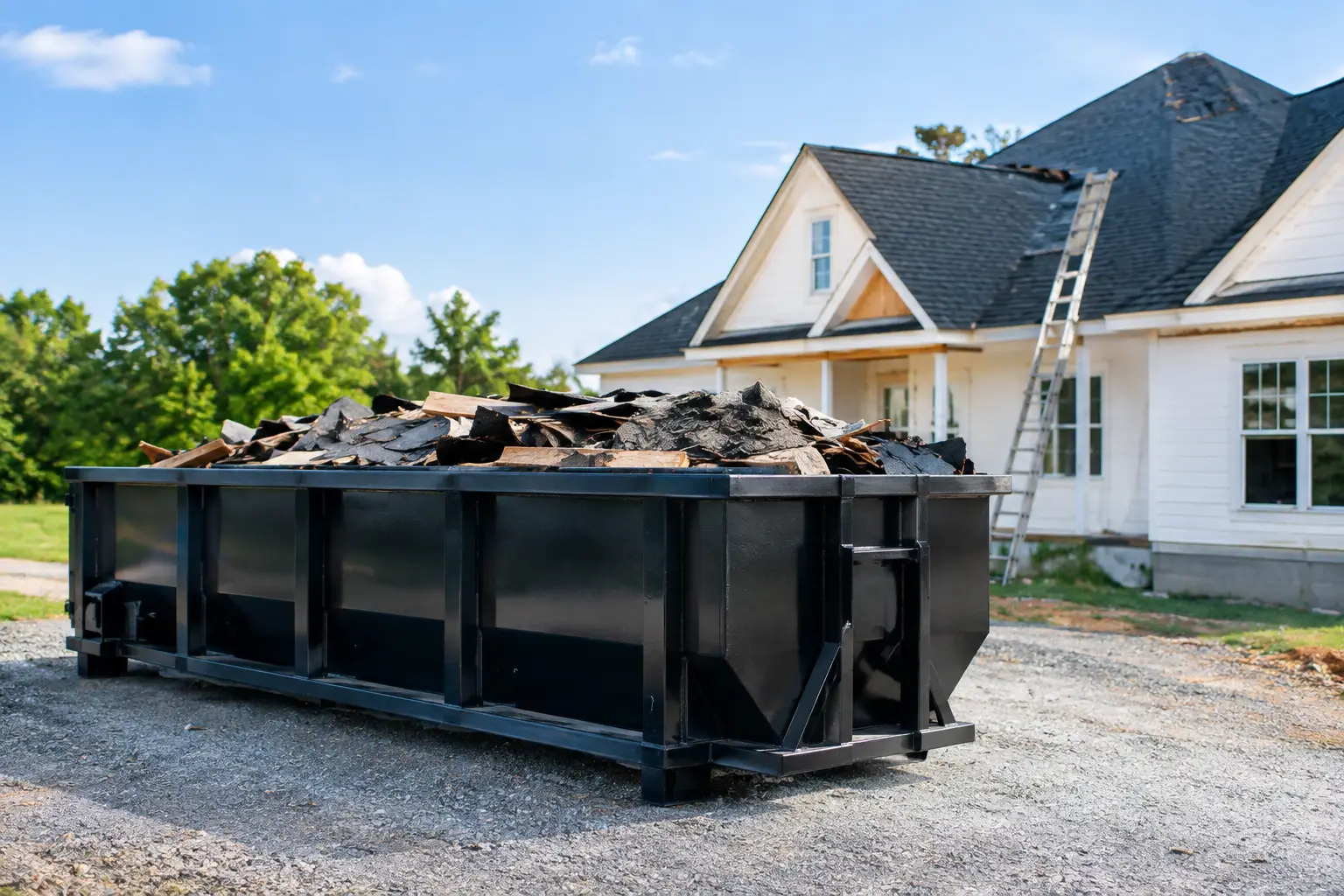
A roofing job can turn a clean driveway into a pile of torn shingles, underlayment, flashing, nails, and damaged decking faster than most people expect. That is why Knoxville roofing dumpster uses go well beyond simply having somewhere to toss old shingles. The right roll-off dumpster keeps the work area cleaner, reduces repeated trips with a loaded pickup, and helps a crew keep moving when weather gives you a short window to finish the job.
For homeowners replacing a roof under 25 sq and contractors handling multiple jobs under 25 sq, a dumpster is often one of the first things to schedule. But roofing debris is heavy, placement matters, and every project has its own mix of materials. Here is how to plan for it without creating problems on delivery day or pickup day.
A small repair may only produce a few bundles of shingles and some scrap material. In that case, a dumpster may not be necessary. A full tear-off, however, is a different kind of project. Once old roofing comes off, debris accumulates quickly, and leaving it stacked around the house creates trip hazards and slows down the work.
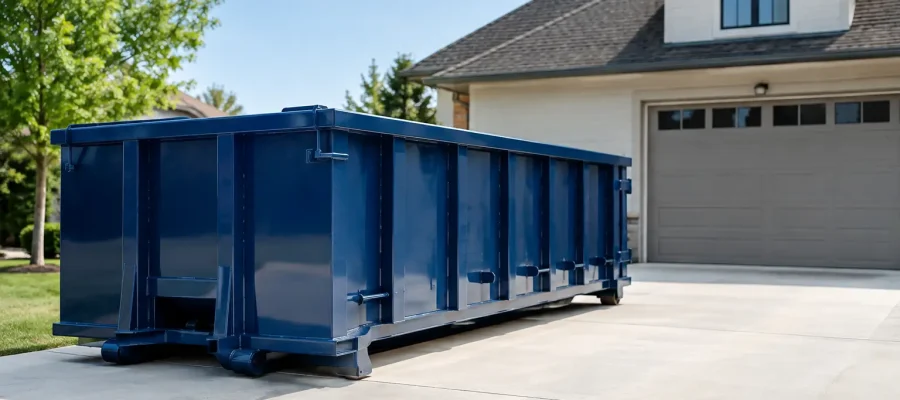
A 20-yard roll-off dumpster can be a practical option for many residential roofing projects under 25 sq because it gives you room for bulky debris while still fitting in many driveways. THORTEX Dumpsters uses driveway-friendly 20-yard containers measuring about 12 feet long, 7.5 feet wide, and 6 feet high. Whether that size fits your roof depends on the roof’s square footage, the number of layers being removed, the type of roofing material, and how much wood replacement is expected.
The key factor with roofing is usually weight, not just open space. Shingles can fill a container differently than household junk or light remodeling debris. Before delivery, tell us what you are removing and whether the roof has more than one layer. Call or text 865-214-1592 when you need help choosing the right approach for your job. Usually under 25 sq is fine and always note that this is up to 2 tons. Anything over 2 ton will be prorated at $90 a ton.
The most common use is a complete roof replacement. Old shingles, felt or synthetic underlayment, ridge caps, flashing, vents, and small amounts of damaged decking all need to go somewhere as the crew works from the roof down.
Keeping that debris in one container helps the job site stay organized. It also keeps crews from having to stop and load trailers or make disposal runs in the middle of a tear-off. For homeowners, it means less debris sitting in the yard or blowing across the driveway after a windy East Tennessee afternoon.
High winds, falling limbs, and heavy rain can expose weak spots in a roof. When repairs involve removing soaked materials, broken shingles, damaged fascia, or sections of decking, a dumpster gives the contractor a dependable place to contain the debris.
Emergency work can be unpredictable. You may start out expecting a small repair, then find water-damaged wood once the old roofing is removed. If the scope is unclear, it is smart to discuss the likely material with your dumpster provider before the job begins.
Roofing work often leads to related exterior repairs. Rotten roof decking, damaged rake boards, soffit material, fascia, old gutters, and downspouts may all come off during the same project. A roll-off dumpster can handle the job-site cleanup in one place instead of leaving separate piles around the house.
This is especially useful when a homeowner is pairing roof work with siding, exterior trim, or gutter replacement. Combining compatible project debris in one container can simplify cleanup, but you should always confirm the materials before loading.
Contractors do not need a dumpster only for major commercial re-roofs. A local roofing crew may use one for a residential job where the existing roof has several layers, the access is tight, or the schedule does not leave time for disposal runs.
A contractor dumpster also helps keep the site professional. Customers notice when nails, scraps, and torn material are scattered around the property. A container will not replace a careful ground cleanup and magnetic nail sweep, but it gives the crew a central place to put debris as it comes down.
The biggest mistake on roofing projects is assuming that a dumpster’s visible capacity tells the whole story. Shingles are dense. A container that looks only partly full can still be heavy, particularly when it contains multiple layers of old shingles or wet materials.
THORTEX Dumpsters’ standard seven-day rental includes up to 2 tons, with additional weight charged at $90 per ton. Current pricing and availability can change, so call or text before scheduling for an accurate quote. More importantly, describe the roofing material you expect to load. A straightforward conversation before delivery is much better than guessing after the dumpster is full.
Do not try to make material fit by piling it above the container walls. Overfilled dumpsters can be unsafe to transport and may delay pickup until the load is corrected. Keep debris within the top edge of the dumpster and distribute it as evenly as you can.
If the project includes heavy shingles along with lighter material such as packaging or trim, load thoughtfully. Put heavier debris low and spread it out rather than building one dense mound at either end. Your roofing contractor may have a preferred loading process, but the goal stays the same: a level, transportable load.
Dumpster placement affects the whole project. Ideally, the container is close enough that roofers can work efficiently but positioned so it does not block vehicles, garage access, or the safest path around the home. A driveway is often the most practical location, especially for residential dumpster rentals.
Before your scheduled delivery, move vehicles, trailers, basketball goals, and other obstacles out of the way. Look up, too. Low branches and overhead lines can affect where a truck can safely place a roll-off dumpster. If your driveway is steep, narrow, shared, or difficult to access, mention that when you call.
Driveway-friendly delivery helps, but no company can promise that every surface is risk-free. Let us know what surface you have and where you are considering placement. We can talk through the access and help you make a reasonable plan before the truck arrives.
A roof replacement creates more than shingles. Homeowners sometimes use the available dumpster to clear out paint cans, chemicals, batteries, liquids, or other items that have been sitting in the garage. That can create disposal problems and should not be assumed to be allowed.
The same applies to any material you are unsure about. Ask before it goes into the dumpster, especially if it is hazardous, liquid, unusually heavy, or not directly connected to the roofing project. Do not rely on what another company may have accepted in the past. Disposal rules and site requirements can vary.
If you are also cleaning out an attic or garage while the roofer is there, let us know. We can help you understand whether the planned load makes sense for a 20-yard container and the rental period you need.
Roofing schedules are weather-dependent. A job planned for Monday may move because rain is expected, materials arrive late, or the crew finds hidden damage after starting the tear-off. For that reason, coordinate dumpster delivery with your contractor instead of booking based only on an estimated start date.
Our standard rental is seven days, which gives many homeowners room for the roofing work and a final cleanup. Still, every project moves differently. Contractors may need the container available before materials are staged, while a homeowner may want it delivered the morning the tear-off begins. Discuss timing and pickup expectations early.
When the job is done, make sure no vehicles or materials block access to the dumpster. If your crew has boards, tarps, ladders, or leftover supplies around the container, move them before pickup. That small step helps keep the final part of the project from becoming a delay.
A roofing dumpster should make a hard job easier, not add another unknown to the schedule. Whether you are replacing a roof in Knoxville, cleaning up storm damage, or managing a contractor crew, clear communication about debris, weight, access, and timing is the best place to start. When you are unsure, call or text THORTEX Dumpsters at 865-214-1592 and get a straight answer before the first shingle comes off.
Post a Comment