- October 14, 2026
- By: Thortex Dumpsters
- in: News
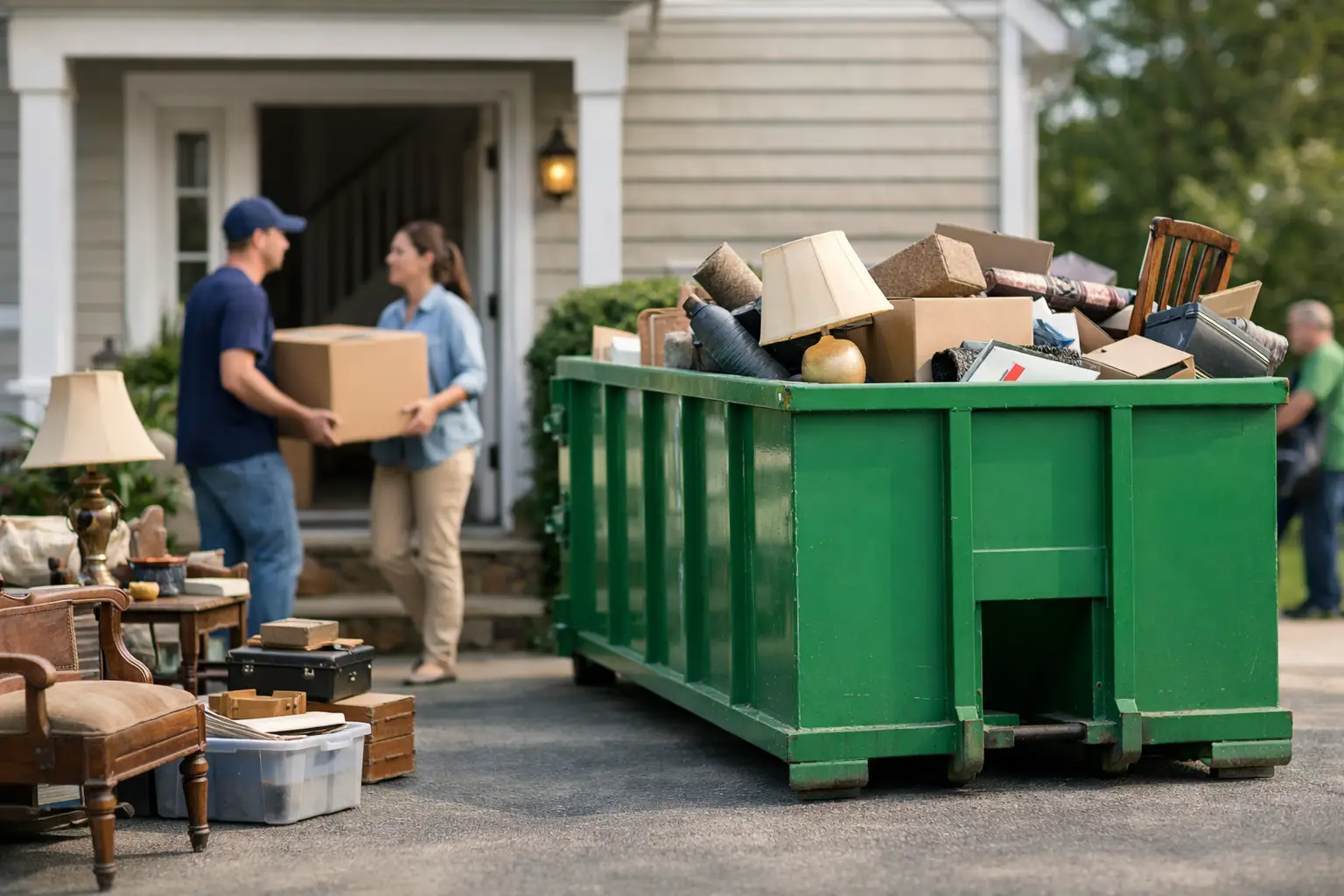
A house can look ordinary from the street while holding 40 years of family history inside. That is what makes an estate cleanout different from a standard garage cleanout. There may be paperwork in desk drawers, heirlooms mixed into kitchen cabinets, tools in the shed, and a whole home that needs to be ready for sale, rental, or handoff on a tight schedule.
The goal is not to rush through belongings without care. The goal is to make sound decisions, keep the property moving forward, and get the unwanted material out without creating a bigger mess. A clear plan helps families, executors, landlords, and real estate professionals handle the work one room at a time.
The first truckload should not leave until the decision-makers agree on the basics. If several family members are involved, set a deadline for anyone who wants to claim personal items. Waiting indefinitely for someone to sort through boxes can delay a home sale and leave the person managing the estate stuck in the middle.
Walk the property with a notebook or your phone and identify the rooms that need the most attention. Look in closets, attics, crawl spaces, sheds, garages, and storage buildings. These areas often hold more volume than the main living space, especially when a property has been occupied for decades.
Before clearing anything out, secure documents and valuables. Check filing cabinets, nightstands, books, old handbags, dresser drawers, safes, and boxes labeled as paperwork. Set aside deeds, vehicle titles, tax records, insurance documents, military records, family photos, jewelry, cash, and anything that may need a second look. If an estate is still in probate or ownership questions remain, get guidance from the appropriate legal or estate professional before disposing of property.
It also helps to take photos of each room before work begins. Photos are useful for family communication, insurance questions, and tracking progress when the cleanout takes several days.
Estate work gets harder when every item becomes a long conversation. A basic sorting system gives everyone a way to make decisions without overthinking each box. Keep separate areas for items to keep, sell, donate, recycle, shred, and dispose of.
Do not assume that an item is valuable because it is old, and do not assume it has no value because it is worn. A professional appraisal may make sense for collections, antiques, coins, firearms, artwork, or specialty tools. For everyday household goods, a practical question works well: Would someone reasonably buy, use, or donate this item in its current condition?
Donation can be a good option for clean furniture, usable household goods, clothing, and working appliances, but it should not become a holding area for damaged material. Donation centers have their own acceptance rules, and many will not take stained mattresses, broken furniture, recalled products, or items that need repairs. When donation pickup is uncertain, it is better to have a backup disposal plan than to let bags and furniture pile up in the driveway.
For papers, separate records that need to be saved from papers that contain personal information. Bank statements, tax documents, medical records, and similar materials should be securely shredded when they are no longer needed. Tossing sensitive paperwork into an open dumpster can create a problem that is easy to avoid.
The right disposal option depends on how much labor you have, how quickly the property needs to be cleared, and the type of debris involved.
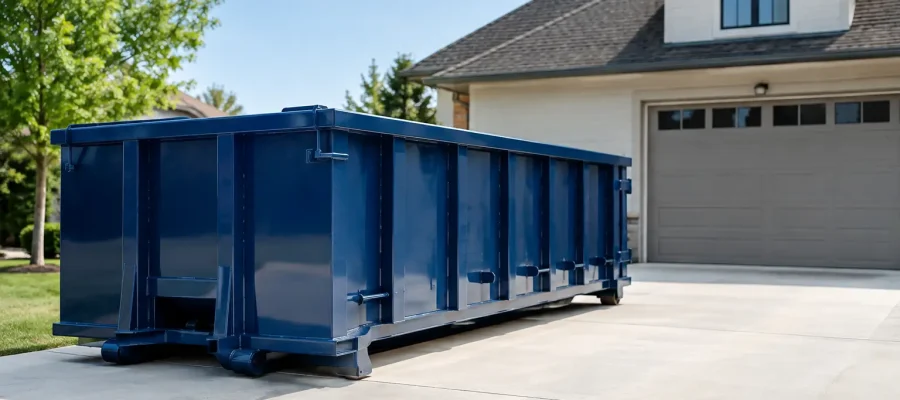
A 20-yard roll-off dumpster is often the practical choice when family members, a contractor, or a property crew can load material over several days. It gives you a central place for furniture, bagged household debris, carpet, cabinets, wood, and general non-hazardous junk. It can be especially helpful when the estate cleanout also includes repairs, flooring removal, or a garage and shed that need attention.
Full-service junk removal makes more sense when the property is packed, the work is physically demanding, or nobody is available to do the lifting. A crew can remove the items, load the truck, haul them away, and leave you with a property that is ready for the next step. This is often the better fit for out-of-town families, busy real estate professionals, landlords turning a unit quickly, or anyone dealing with heavy furniture and difficult access.
There is no prize for choosing the cheaper-looking option if it leaves the work unfinished. A dumpster can save money when you have willing hands and time to load it. Full-service removal can save time, stress, and multiple days of backbreaking work. Ask for clear pricing upfront so you know whether labor, hauling, disposal, and special items are included before anyone starts loading.
Cleanouts tend to uncover hazards. Watch for loose flooring, weak porch steps, exposed nails, moldy materials, rodent droppings, broken glass, and stacked boxes that may shift when moved. Use gloves, sturdy shoes, and help when moving large furniture. A heavy solid-wood dresser, old television, or packed bookcase is not a one-person job.
If you rent a dumpster, load it evenly and keep debris below the top rail. Overfilled containers cannot be safely transported on public roads, and a pickup may need to be delayed until material is removed. Break down bulky items when practical, place heavier debris across the bottom, and fill open spaces with lighter bagged material.
Not every item belongs in a roll-off container. Hazardous waste, chemicals, fuels, propane cylinders, paint, batteries, tires, and certain electronics may require a separate disposal method. Appliances and mattresses can also have specific handling requirements depending on the disposal facility. When in doubt, ask before loading. It is much easier to clarify a material than to pay for a prohibited item to be removed later.
The final 10 percent of an estate cleanout is where schedules often slip. Once the visible furniture and boxes are gone, there may still be food in the refrigerator, old paint in the garage, curtains and hardware on the walls, debris in the attic, and a shed full of lawn equipment.
Give each area a final sweep before scheduling pickup or considering the job complete. Open every cabinet, closet, drawer, and exterior door. Check behind appliances, inside the washer and dryer, under beds, and above garage rafters. It is common to find important records or personal keepsakes in the last places anyone checks.
If a home is going on the market, coordinate the cleanout with the real estate agent’s timeline. A deep cleaning, minor repairs, and basic yard work are easier once the rooms are empty. If the property will become a rental, decide whether the next step is renovation or a quick turnover. That decision affects whether a dumpster should remain on site for an extra day or be picked up as soon as the cleanout is finished.
For Knoxville-area properties, THORTEX Dumpsters can provide either a 20-yard dumpster for a self-managed cleanout or full-service junk removal when you need the heavy lifting handled. Clear communication about the property, access, debris type, and desired timeline makes scheduling smoother and helps avoid surprises.
An estate cleanout can be emotional, even when the work is mostly logistical. You do not have to keep every item to honor a person or a family history. Save the pieces that truly matter, document the ones that carry memories, and make room for the property to move into its next chapter.
If the job feels bigger than expected, call or text for a clear plan and a straightforward quote before the piles get larger. A good cleanout does not have to happen all at once. It just needs a sensible next step, followed by another.
Post a Comment