- October 14, 2026
- By: Thortex Dumpsters
- in: News

A driveway full of renovation debris and a garage packed with years of stuff can look like the same disposal problem. They are not always the same job. The choice between dumpster rental versus junk removal comes down to who is doing the lifting, how quickly debris will build up, and how much control you need over the schedule.
For some Knoxville-area projects, a 20-yard roll-off dumpster is the practical, budget-friendly answer. For others, having a crew carry everything out, load it, and haul it away is worth every dollar. Here is how to make the call without paying for more service than the job needs – or taking on more work than you bargained for.
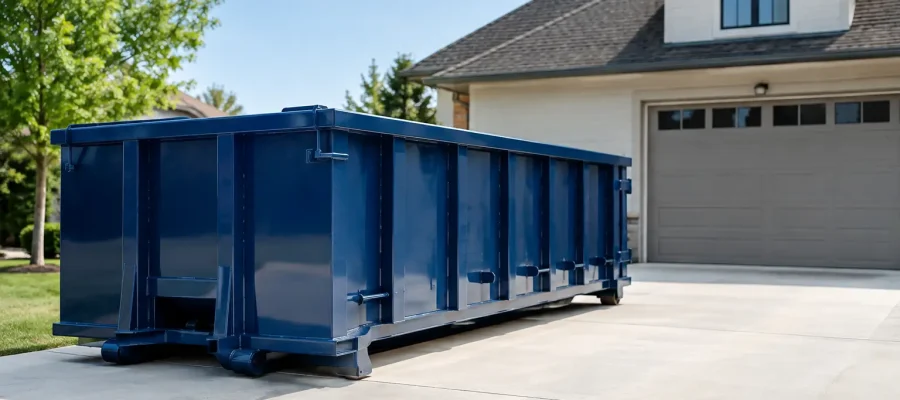
A dumpster rental gives you a container at your home, rental property, or job site. You load the approved debris yourself as the work happens. It is built for projects that create a steady volume of material over several days, such as remodeling, roofing-related cleanup, flooring replacement, garage cleanouts, and small construction work.
Junk removal is full service. A crew does the carrying, loading, hauling, and disposal. You point out what needs to go, receive a clear quote, and let someone else handle the hard part. It is often the better choice when items are already piled up, access is difficult, or the job needs to be finished fast.
Neither option is automatically better. The right one depends on labor, volume, timing, access, and the condition of the items being removed.
A dumpster works best when your project has a beginning, middle, and end – and debris will come out along the way. If you are tearing out a kitchen over a weekend, cleaning a barn over several days, or replacing flooring room by room, it helps to have one central place for the material.
A 20-yard roll-off has the capacity many homeowners and small contractors need without taking over the entire property. It gives you time to sort, load, and keep the work area cleaner. Instead of making repeated truck-bed runs to a disposal site, you place debris in the container and arrange pickup when the project is done.
Dumpster rental can also be the more economical route if you have capable help. A family cleanout with several people available to lift boxes, furniture, and bagged trash may not require a removal crew. The value is in paying for the container, transportation, and disposal while handling the labor yourself.
That said, a dumpster is not a free-for-all bin. Keep material below the top edge so it can be safely transported under Department of Transportation rules. Overfilled containers may need to be unloaded before pickup. Heavy materials can also affect the allowed weight, so ask about the job before loading concrete, dirt, shingles, or other dense debris.
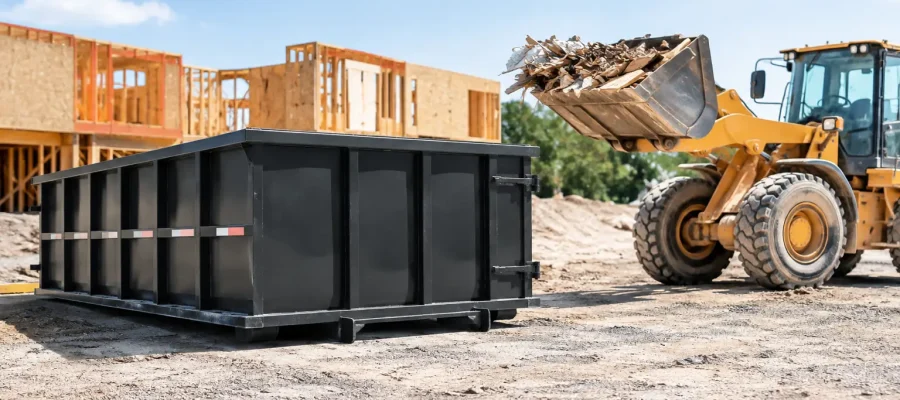
Dumpster rentals are a solid fit for renovation debris, household cleanouts, garage and attic clearing, deck removal, yard and property cleanup, small construction work, and rental-property refreshes. They also make sense for installers who need dependable debris capacity at a job site without losing time to dump runs.
The biggest advantage is control. You decide when to load, what order to tackle rooms in, and when the project is ready for pickup. If the work runs longer than expected, flexible rental extensions can keep a manageable delay from becoming a disposal headache.
Junk removal is often the better answer when the items are not just debris – they are heavy, bulky, awkward, or spread through a property. Think sofas in a basement, mattresses upstairs, old appliances in a garage, furniture in a storage unit, or an estate home filled with belongings that need to be cleared quickly.
The difference is simple: you do not have to load it. A removal crew can work through the house, garage, barn, storage unit, or rental property, carrying items out and loading the truck. That matters when you are short on time, do not have enough help, or cannot safely lift the material.
For landlords and property managers, full-service removal can be especially useful after an eviction or during a fast turnover. The goal is not merely to get junk off the property. The goal is to get the unit ready for cleaning, repair, and the next tenant without spending a day hauling furniture and trash.
Real-estate professionals and families handling an estate face a similar issue. The work can be emotional, physically demanding, and hard to schedule around. A crew reduces the number of decisions and trips required. You can focus on sorting what needs to stay while the unwanted material is removed responsibly.
Junk removal usually costs more than a self-loaded dumpster because it includes labor. That higher price can still be the better value if it saves you from renting a truck, finding helpers, carrying items down stairs, or losing a weekend to heavy lifting.
It is also a strong choice for smaller but difficult jobs. A few large pieces of furniture may not justify having a dumpster in the driveway, especially if the job can be completed in a single visit. Free estimates help you know the cost before anyone lifts a thing.
Do not compare only the headline price. Compare the complete job.
With a dumpster, your cost generally covers delivery, the rental period, pickup, disposal, and an included weight allowance. Your own time and labor are the trade-off. If you need extra days or exceed the agreed weight, those details should be clear before you book.
With junk removal, the quote reflects volume, labor, access, item type, and disposal needs. A ground-level pile near the driveway is easier than a packed second-floor apartment with heavy furniture. Honest pricing means discussing those conditions up front instead of surprising you after the crew arrives.
A good question to ask yourself is this: If I had the container today, could I safely load it without delaying the rest of the project? If the answer is yes, rental may be the smarter spend. If the answer is no, full-service removal may save money in ways that do not show up on the first quote.
A dumpster needs a suitable delivery spot, usually a driveway or accessible job-site location. Measure tight gates, watch for low branches and utility lines, and make sure vehicles can still get where they need to go. If surface protection is a concern, ask what simple precautions can be used before delivery.
Junk removal may work better when a container cannot be placed where you need it. A narrow property, shared parking area, apartment setting, or short-notice cleanout can make crew-based hauling the easier route. The crew can load from the location without leaving a container on-site.
Timing matters too. A dumpster is ideal when you need disposal available throughout an ongoing job. Junk removal is ideal when everything is ready now and you want it gone fast. For a property sale, tenant turnover, or inspection deadline, that distinction is often the deciding factor.
Most standard disposal services are for non-hazardous debris. Items such as chemicals, paint, fuels, propane tanks, batteries, certain electronics, and other regulated materials may require separate handling. Do not assume an item is acceptable because it fits in a dumpster or can be carried to a truck.
Before scheduling, describe the material honestly. Mention unusually heavy debris, appliances, tires, mattresses, construction materials, or anything questionable. A quick conversation prevents refused loads, extra charges, and delays on pickup day.
At THORTEX Dumpsters, the goal is straightforward: give customers a clear answer before delivery or removal begins. Call or text with the project details, the type of debris, and whether you want to load it yourself. You will get practical guidance rather than a vague guess.
For a homeowner replacing cabinets and flooring, a dumpster usually makes sense because debris will build up throughout the work. For a garage where years of boxes, furniture, and scrap need to disappear in one day, junk removal often wins.
For a barn cleanout, the answer depends on labor. If you have equipment, family help, and time to work through it, a dumpster gives you room to load at your pace. If the barn contains bulky items, heavy clutter, or material that needs to be carried a long distance, a removal crew can take the burden off your back.
For landlords, a dumpster is useful during repairs after move-out. Junk removal is often better when a tenant leaves furniture, bagged trash, and belongings throughout the unit. Contractors may prefer a dumpster for predictable job-site debris, while a small business clearing old office furniture may want the speed of full-service hauling.
The most practical choice is the one that keeps your project moving safely. If you have the hands, time, and steady debris volume, rent the dumpster. If you need the heavy lifting handled and the space cleared quickly, schedule junk removal. Call or text today, describe what you are facing, and get a clear plan before the pile gets any bigger.
Post a Comment