- October 14, 2026
- By: Thortex Dumpsters
- in: News

A garage can go from useful storage to a full-blown holding area faster than most people expect. One broken mower becomes a pile of old paint cans, boxes from three moves ago, leftover remodeling material, and furniture nobody wants to carry out. A dumpster rental for garage cleanout gives you one place to put the bulk debris while you make decisions, sort items, and finally get your parking or workshop space back.
The right approach depends on what is actually in the garage. If you have a few bags, a small pickup load, and a free Saturday, hauling it yourself may be enough. But if the cleanup involves furniture, shelving, flooring, old tools, construction debris, or years of household overflow, a roll-off dumpster can save multiple trips, trailer loading, and disposal fees that add up fast.
A dumpster is a practical choice when the project creates more debris than your normal trash service can handle. It is especially useful when you are cleaning out a garage before a move, getting a rental property ready for a new tenant, clearing a family member’s home, or making room for a renovation project.
Think about the time cost, not just the pile. A typical garage cleanup can mean several trips to a transfer station, plus time spent unloading, sweeping out a truck bed, and fitting your schedule around disposal hours. With a dumpster in the driveway, you can work at your own pace and load as you sort.
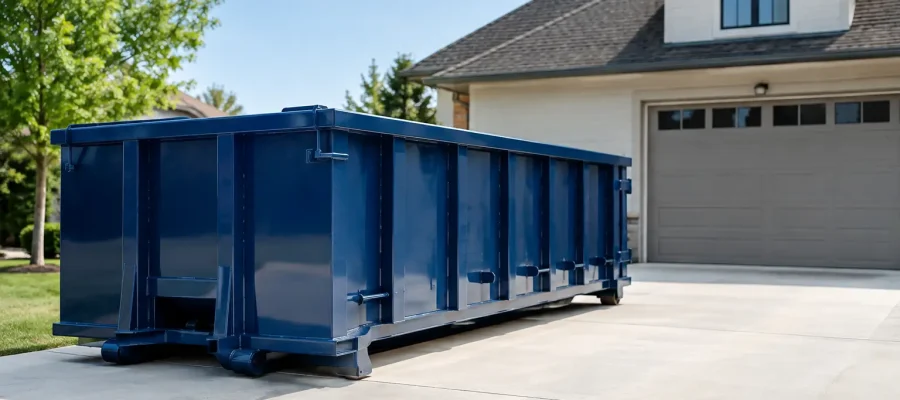
For many Knoxville-area homeowners, a 20-yard roll-off is a good fit for a substantial garage cleanout. It provides room for bulky household items and general non-hazardous debris without requiring you to pack every item into a pickup. Still, size is only part of the decision. The type and weight of material matter just as much.
Do not wait until delivery day to open every box and make every decision. A little preparation keeps the job moving once the dumpster is on site. Make broad categories first: keep, donate, sell, recycle, and dispose. You do not need a perfect system. The goal is to keep usable items and restricted materials from getting mixed into the debris pile.
Set aside anything personal or valuable before you begin loading. Old garages often contain paperwork, family photos, spare keys, tools, memorabilia, and small electronics buried in boxes. Take one pass through cabinets, workbenches, and storage totes before the cleanup gets fast and dusty.
It also helps to pull out materials that may require separate handling. Common items that should not go into a standard dumpster include paint, solvents, gasoline, propane tanks, vehicle fluids, batteries, tires, chemicals, and other hazardous waste. If you are unsure about an item, ask before loading it. Getting a clear answer up front is easier than dealing with a prohibited item after pickup.
A 20-yard dumpster is built for real cleanup work, not just a few trash bags. For a garage project, it can typically handle old shelving, workbenches, bagged household trash, cardboard, wood, small amounts of drywall, carpeting, bicycles, general clutter, and broken furniture.
The exact volume depends on how the garage was used. A garage full of lightweight boxes and household junk will fill differently than one packed with shingles, concrete, dirt, tile, or heavy lumber. Dense materials can reach a weight limit long before the container looks full. That does not mean a dumpster is the wrong choice, but it does mean you should describe the material honestly when scheduling.
Heavy debris is where local guidance matters. A provider can help you determine whether a 20-yard container is appropriate, whether you should limit the amount of dense material, or whether another disposal plan makes more sense. Transparent advice protects you from surprise charges and keeps the load safe for hauling.
The easiest way to waste dumpster space is to toss in large, awkward items without breaking them down. Take apart metal shelving, box up loose items, flatten cardboard, and cut down manageable wood pieces when practical. Place flat, heavy items on the bottom and fill open spaces as you go.
Keep the load level with the top of the dumpster. Do not stack debris above the rim or leave items hanging over the sides. Haulers must follow Department of Transportation requirements, and an overfilled container may not be safe or legal to transport. If the debris sits above the top rail, it can shift or blow out on the road.
Put lighter materials toward the top, and keep sharp objects contained where possible. If broken glass, nails, or scrap metal are part of the job, use sturdy containers or place those materials carefully so they do not create a hazard while loading. Never let children climb in or around the container, and keep a clear walking path between the garage and dumpster.
Driveway placement also affects how smoothly the work goes. Choose a spot with enough clearance for delivery and pickup, preferably near the garage but out of the way of vehicles you need to use. Move cars, basketball hoops, low-hanging branches, and other obstacles before the driver arrives. If driveway protection is a concern, ask about placing boards under the contact points.
A dumpster rental is best when you want to do the sorting and loading yourself. It gives you flexibility to work after work, over a weekend, or in stages as you decide what stays and what goes. It is often the more economical option when you have enough hands to move the debris.
Full-service junk removal is the better route when the items are heavy, the garage is packed tight, or you simply do not want to do the lifting. This is often helpful for estate cleanouts, landlord turnovers, and situations involving large furniture or limited mobility. A crew handles the labor, loading, hauling, and disposal so you can focus on the property itself.
There is no one right answer. If you have a straightforward pile and the time to load, rent the dumpster. If the work feels physically overwhelming or time-sensitive, get a junk removal estimate and know the cost before anyone lifts a thing.
Garage cleanouts have a way of uncovering extra work. Once the floor is visible, you may decide to remove old cabinets, replace shelves, or clear out the back corner that has been untouched for years. Build in enough rental time to finish without rushing, especially if you are coordinating help from family or tenants.
Before pickup, walk around the dumpster and make sure nothing is sticking out above the rim. Close off access if needed so neighbors or passersby do not add prohibited items after you finish. Then follow the pickup instructions you were given and keep the area clear for the truck.
THORTEX Dumpsters offers direct phone and text communication because cleanout questions rarely show up at convenient times. Whether you need to confirm what can go in the container, request a rental extension, or schedule pickup, clear communication keeps a simple garage project from turning into a headache.
You do not have to organize every shelf before starting. Pick a delivery date, make space in the driveway, and begin with the items you already know are leaving. Once the first layer of clutter is gone, the rest of the garage becomes easier to see, sort, and use again. Call or text today when you are ready to get the debris moving.
Post a Comment