- October 14, 2026
- By: Thortex Dumpsters
- in: News
A bathroom remodel can look manageable until old drywall, flooring, cabinets, and packaging start covering the driveway. That is where a construction debris dumpster rental earns its keep. Instead of making repeated truck-bed runs or letting debris slow down the crew, you have one place to load material as the job moves forward.
For homeowners and small contractors, the goal is not just getting a dumpster delivered. It is getting the right capacity, knowing what can go inside, and avoiding the extra charges or delays that come from overloading it. Here is what to plan before the first board comes down.
A roll-off dumpster works best when debris is steady, bulky, or too much for normal household trash service. Renovating a kitchen, replacing flooring throughout a house, clearing a rental after turnover, removing a deck, or cleaning out a garage can all create more material than people expect.
It is also a practical choice when you want to control the pace of cleanup. Load as you work, keep the site cleaner, and call for pickup when the project is ready. For many jobs around Knoxville and Seymour, a 20-yard dumpster provides useful room without taking up the entire driveway.
That said, it depends on the job. If you have only a few heavy items, or if you need someone else to carry everything out of a house, barn, attic, or storage unit, full-service junk removal may be the better fit. With junk removal, a crew handles the labor and hauling. With a dumpster, you do the loading yourself and have more flexibility to work on your own schedule.
A 20-yard roll-off is a solid middle ground for many residential and light construction projects. It can handle a meaningful amount of renovation debris, yet it remains practical for many driveways and job sites. The exact amount it holds depends less on the project name and more on what you are throwing away.
Drywall, lumber, carpet, cabinets, siding, and household debris take up space quickly but may not weigh as much as concrete, brick, dirt, roofing shingles, or tile. Heavy materials can reach a weight limit long before the container looks full. Light, awkward materials can fill the dumpster before they create much tonnage.
Before scheduling delivery, take a plain look at the scope. Are you tearing out one room or several? Is the old flooring dense tile, hardwood, or carpet? Will roofing, masonry, soil, or concrete be involved? A good local provider should ask those questions because the answers affect both capacity and disposal cost.
Do not choose a smaller container just to save a little upfront if it will force a second rental or an extra haul. On the other hand, renting more space than you need can be unnecessary. Honest guidance is worth more than a guess, especially for a first-time renter.
Renovation projects often grow after demolition begins. You may find damaged subflooring, extra layers of old flooring, water-damaged drywall, or material left behind by a previous owner. Build some breathing room into your plan when the project has unknowns.
If the scope changes after delivery, call or text early. It is much easier to discuss an extension, pickup timing, or another container before debris starts piling up beside the dumpster.
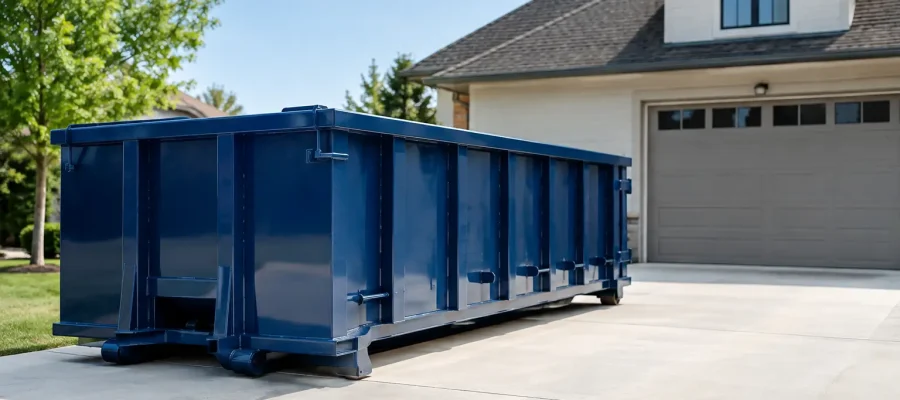
A roll-off dumpster needs a clear, accessible place to sit. Most homeowners choose the driveway because it keeps debris close and makes loading easier. Move vehicles, trailers, basketball goals, and other obstacles before delivery. Check for low-hanging branches and overhead lines as well.
If you are worried about a finished driveway, ask about placing protective boards under the contact points. While care should always be taken during delivery, no surface is completely risk-free. Fresh asphalt, soft ground, and decorative pavers deserve extra attention.
Think through your loading path, too. A dumpster placed too far from the work area can turn every wheelbarrow trip into a chore. A location that blocks the garage, neighbors, or a shared access point can create frustration. The best spot balances access for the delivery truck, room for pickup, and a short walk from the debris.
For contractor jobs, make sure the container location does not interfere with material deliveries, equipment, or crew parking. A five-minute site conversation can prevent a lost afternoon later.
A dumpster is not a place to toss everything in without a plan. Start by putting large, flat items in first. Break down cabinets, cardboard, and bulky materials where practical. Place heavier debris low and distribute weight across the container instead of building one dense pile at the front or back.
Keep all debris below the top rail. This is not just a company rule. A container that is piled above the sides may not be safe to transport under Department of Transportation requirements. Loose boards, metal, or trash can shift or blow out during the haul. If the load is overfilled, pickup may be delayed until it is leveled off.
Avoid packing one area with extremely heavy material such as brick, concrete, or dirt unless your provider has specifically approved that material and explained the weight limits. Weight overages can add cost, and overloaded containers can create hauling problems.
The door, if your container has one, should remain closed and secured before pickup. Do not leave debris behind the dumpster, on top of the door, or in the truck access path. When you are ready, make sure there are no cars blocking the container and no gates locked that the driver needs to pass through.
Construction debris is generally accepted when it is non-hazardous, but certain materials need separate handling. Do not assume that a dumpster is approved for every item removed during a project.
Common restricted items include:
Rules can vary by disposal facility and material type. If you are unsure about an item, ask before loading it. Calling first is a lot easier than sorting prohibited material out of a full dumpster later.
Be especially careful with older homes. Materials such as insulation, flooring, ceiling texture, pipe wrap, and siding may require special assessment before removal. When there is a concern about asbestos, lead, mold, or another health hazard, stop and get qualified guidance. A standard debris container is not the answer for unsafe material.
A straightforward quote should explain the rental period, included weight allowance, delivery, pickup, and how additional days or extra weight are handled. Those details matter because disposal fees are often based on what the load weighs at the landfill or transfer facility.
Ask about extension pricing if your timeline is uncertain. Projects get delayed by weather, inspections, backordered materials, and simple weekend scheduling. Flexible extensions are helpful, but it is still best to communicate before the scheduled pickup day.
Also ask whether there are special charges for certain debris. Heavy loads, mattresses, tires, appliances, and restricted materials may have separate disposal rules or fees. There is nothing pushy about wanting the full picture before delivery. You should know the cost before you start filling the container.
THORTEX Dumpsters keeps this process simple with direct phone and text communication, clear rental expectations, and a 20-yard option built for the real cleanups and small projects East Tennessee property owners handle every week.
The best time to arrange a dumpster is before demolition day, not after the driveway is already covered in debris. Give yourself a clear place to work, load level with the top, keep restricted items out, and speak up as soon as the plan changes. Call or text today, get clear answers first, and put your energy into finishing the project instead of figuring out where the debris will go.
Post a Comment