- October 14, 2026
- By: Thortex Dumpsters
- in: News
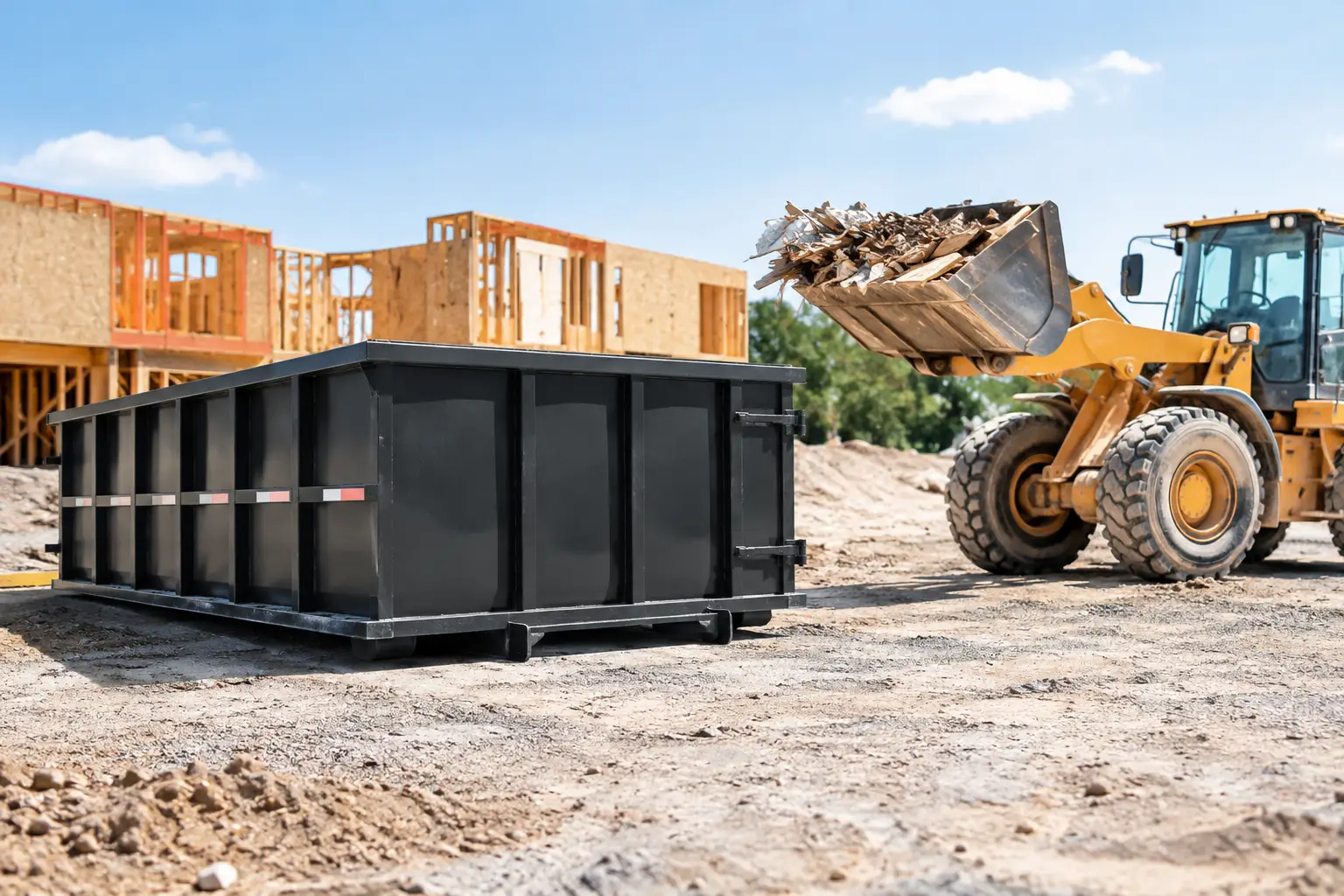
A jobsite can go from organized to frustrating fast. Old flooring piles up near the door, packaging gets scattered across the yard, and torn-out drywall starts taking up the space you need for tools and materials. Knowing how to manage jobsite debris keeps the work area safer, helps your crew stay productive, and prevents cleanup from becoming a last-minute problem.
For a kitchen remodel, deck replacement, rental turnover, or larger construction project, debris removal deserves the same basic planning as material delivery. You do not need an elaborate system. You need a clear place for debris, a safe loading plan, and a pickup schedule that matches the pace of your work.
The easiest time to control jobsite waste is before demolition starts. Walk the property and think through what is coming out, where it will collect, and how it will get into the dumpster. This is especially helpful on tight Knoxville-area lots, where a driveway, parked vehicles, material stacks, and work access can all compete for the same space.
Estimate the main types of debris first. A bathroom remodel may produce tile, fixtures, drywall, flooring, and packaging. A deck project may involve lumber, railing, fasteners, and old footings. An estate clean-out can include a much wider mix of household items. The material mix affects how quickly a dumpster fills and how much it weighs.
Then choose a spot that is convenient without getting in the way. Your crew should be able to carry debris a short distance, but the container should not block the garage, work entrance, material delivery path, or emergency access. If the driveway is the best location, clear vehicles and movable items before delivery day.
A roll-off dumpster gives the project one designated destination for waste. That alone cuts down on scattered debris, repeated pile-moving, and the temptation to let junk sit until the end of the job.
A container that is too small creates extra hauling decisions. One that is much larger than the project may not be necessary. For many home renovations, clean-outs, deck removals, flooring jobs, and moderate construction projects, a 20-yard dumpster is a practical middle ground.
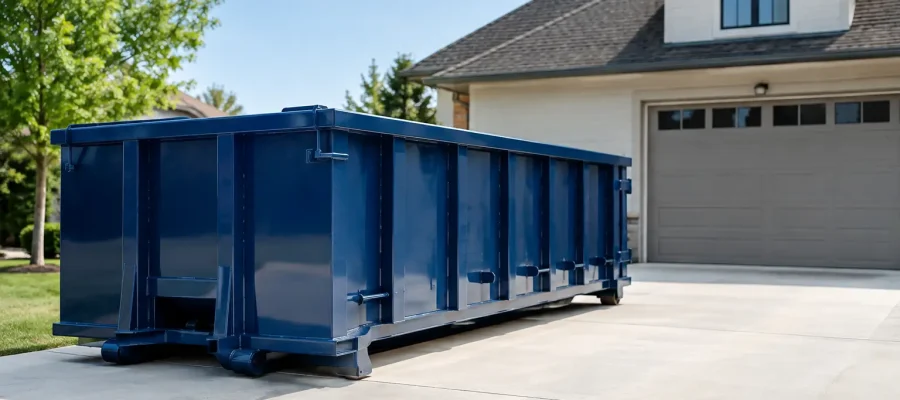
THORTEX Dumpsters provides driveway-friendly 20-yard roll-off dumpsters measuring about 12 feet long, 7.5 feet wide, and 6 feet high. That footprint works well for many residential and contractor jobs, but the right fit still depends on what you are throwing away.
Volume and weight are not the same thing. Bulky items, cardboard, trim, and light demolition debris can take up a lot of room without being especially heavy. Dense materials can add weight quickly even when the dumpster does not look full. It is worth discussing the project details when you call so you have a realistic plan from the start.
Our standard rental includes seven days and up to 2 tons, though current pricing and availability should always be confirmed when scheduling. If your project may run longer, or if you expect heavier material, ask before delivery rather than waiting until the container is already full.
The best jobsite cleanup routine is simple: remove waste as each phase of work is completed. Do not wait until the last day of a remodel to clear demolition debris, empty boxes, and discarded materials from the work area.
For example, after a crew tears out old cabinets or flooring, take a few minutes to load the debris before beginning installation. When a fence line is removed, collect the old boards and posts as the work progresses instead of leaving piles along the property. This keeps walkways clearer and makes it easier to see what work remains.
Contractors can assign one person to make periodic cleanup passes during the day. Homeowners handling their own project can set a goal of loading debris at the end of each work session. Either approach is better than allowing piles to build around saws, ladders, vehicles, and entrances.
Keeping the jobsite clear also helps protect usable materials. New flooring, cabinets, lumber, or fixtures are less likely to get scratched, wet, or buried when waste has a separate place to go.
How you load matters. Start with flat, heavy, or bulky pieces on the bottom when possible. Break down boxes and dismantle large items that can be safely taken apart. This reduces wasted air space and gives you a more stable load.
Spread material across the container instead of building one tall pile near the front or back. An uneven load is harder to manage and can leave you with unused space on one side. Keep an eye on the fill level throughout the project, not just when pickup is approaching.
Do not load debris above the top edge of the dumpster. Overfilled containers can create safety problems during transport and may need to be leveled before pickup. Keep material inside the container, and do not place debris on the ground around it with the expectation that it will be taken away.
Be careful with sharp, awkward, and heavy materials. Long pieces should be positioned so they remain inside the container. If you are handling demolition debris, use proper lifting practices and do not rush a load just to finish the job faster. A cleaner jobsite is useful only if it remains a safe one.
Not every item belongs in a roll-off dumpster, and disposal rules can vary by material and location. The safest approach is to identify questionable items before they reach the jobsite pile.
Set aside anything that may require separate handling rather than mixing it into general debris. That can include chemicals, liquids, paint, batteries, asbestos-related materials, or other restricted items. Do not guess based on what another company may have accepted in the past.
If you are not sure whether a particular material can go in the dumpster, call or text THORTEX Dumpsters at 865-214-1592 before loading it. A quick question upfront can prevent a problem at pickup and help you make a better disposal plan.
This step matters for clean-outs as much as construction projects. Garages, sheds, basements, and inherited properties often contain old containers and materials that should be checked before the rest of the junk is loaded.
A dumpster should arrive when debris starts, not days after the pile has already formed. For many projects, delivery shortly before demolition or clean-out day makes the most sense. That way, the first load goes straight into the container.
Think through the full schedule before booking. Are materials arriving first? Will a driveway need to stay open for customers, tenants, or subcontractors? Is weather likely to slow a deck, siding, landscaping, or roof-adjacent project? A little planning can help you avoid having a dumpster placed exactly where the next phase of work needs to happen.
The same goes for pickup. Schedule it after the last planned load, but leave enough time to inspect the container and make sure everything is inside the top edge. If the job grows beyond the original scope, contact us as soon as you know. Clear communication is the easiest way to keep debris service aligned with the work.
For a few bags of trash or a small pickup load, hauling material yourself may be reasonable. But repeated trips can eat up more time than people expect. You have to load the vehicle, secure the load, drive, unload, return, and repeat. During a renovation or clean-out, that can pull you away from the work that actually moves the project forward.
A 20-yard roll-off dumpster is often a better fit when debris is steady, bulky, or spread across several days. It gives homeowners a place to work through a garage, attic, basement, or estate clean-out at a manageable pace. For contractors, it keeps a jobsite from turning into a staging area for debris.
The trade-off is that you need suitable placement and a clear understanding of what will be loaded. When those details are handled upfront, a dumpster can simplify the entire cleanup side of the job.
Before pickup, walk around the dumpster and the surrounding work area. Load any remaining approved debris, check that nothing is extending above the container, and remove tools, vehicles, or materials that could interfere with access. Do not leave loose debris beside the dumpster.
A good cleanup plan does more than make a property look better at the end of the job. It helps your project stay organized from the first tear-out to the final sweep. If you need a dependable 20-yard dumpster for a clean-out, remodel, or construction project in the Knoxville area, call or text 865-214-1592 to discuss your debris and delivery needs.

Post a Comment