- October 14, 2026
- By: Thortex Dumpsters
- in: News
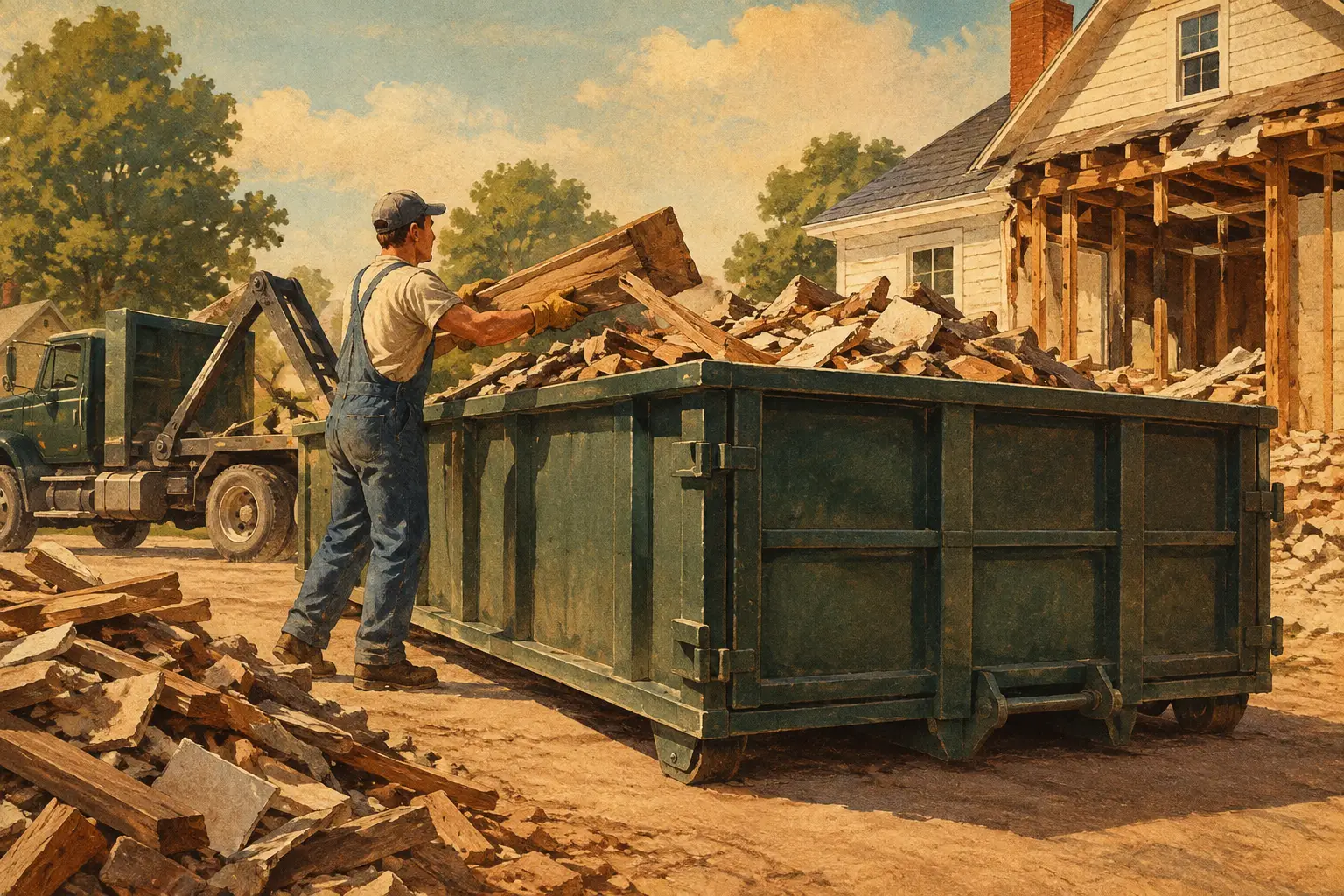
A bathroom tear-out can fill a driveway faster than most homeowners expect. Drywall stacks up, old flooring gets awkward, and one broken vanity turns into a pile of cabinets, trim, and packaging. This construction debris disposal guide helps you make a plan before the mess slows down your project or creates an expensive pickup problem.
Whether you are renovating a home, turning a rental property, installing new floors, or cleaning up after a small job, disposal works best when it is treated as part of the project plan. The right option depends on what you are throwing away, how much there is, who will load it, and how quickly the site needs to be cleared.
Do not wait until the debris pile is blocking the work area. Before demolition begins, walk through the job and separate what can be donated, recycled, reused, or disposed of. A few minutes of sorting can save room in the dumpster and keep prohibited items out of the load.
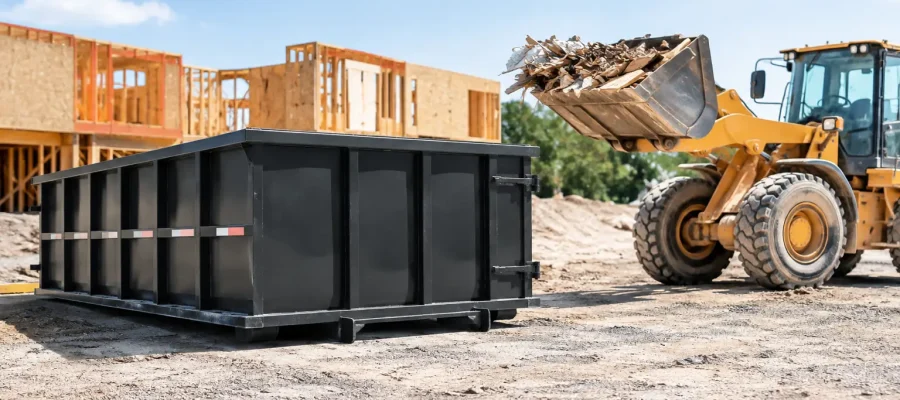
For a typical renovation, expect materials such as drywall, lumber, carpet, underlayment, cabinets, fixtures, tile, insulation, cardboard, and old appliances. Small construction work may also create concrete, brick, roofing material, or dirt. These heavy materials need special attention because weight, not just volume, affects disposal cost and hauling safety.
If you are managing a rental turnover or estate cleanout, you may have a mixed load. Furniture, household junk, renovation leftovers, and bagged trash can often go together if they are non-hazardous. Still, it pays to identify batteries, paint, chemicals, and electronics before loading starts.
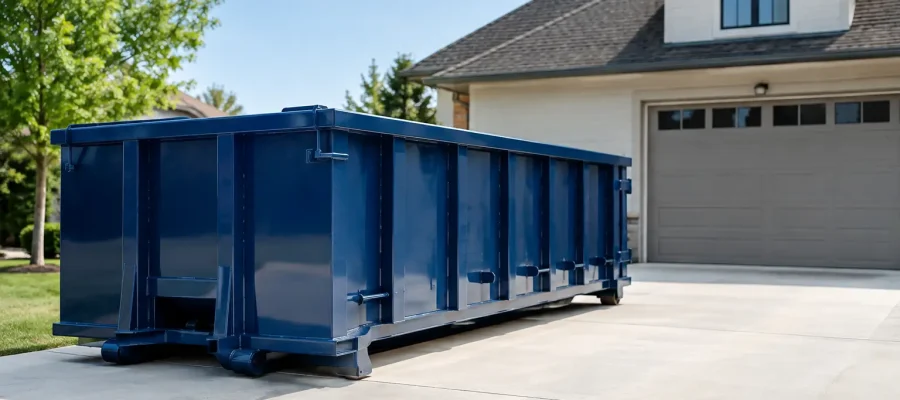
A roll-off dumpster is usually the practical choice when debris will be generated over several days or weeks. It gives you a central place to load material as the job moves along, rather than creating separate piles around the property. A 20-yard dumpster is a strong fit for many room renovations, garage cleanouts, flooring projects, small construction jobs, and property cleanups.
Full-service junk removal makes more sense when the labor is the real problem. Maybe you are clearing a house after an eviction, moving materials from a barn, handling an estate, or dealing with heavy furniture and appliances. In that case, a crew can do the lifting, hauling, and disposal while you focus on the next task.
The trade-off is simple. A dumpster gives you control over loading and timing, but you supply the labor. Junk removal saves physical work and can clear a space quickly, but the price is based on the volume and labor involved. For either option, ask for clear pricing and describe the material honestly so there are no surprises at pickup.
Most ordinary construction and household debris is acceptable when it is dry, non-hazardous, and loaded safely. That generally includes lumber, drywall, flooring, cabinets, doors, carpet, furniture, cardboard, plastics, and general household junk.
Some materials need to be kept out of a standard dumpster because disposal facilities have separate handling rules. Do not assume an item is acceptable just because it is small. Common restricted items include:
Rules can vary by disposal facility and by the condition of the material. Wet paint, for example, is very different from a completely dried-out empty can. When you are unsure, call or text before you load it. A quick question is easier than unloading a prohibited item later.
Concrete, brick, block, dirt, gravel, and roofing shingles can fill only a small portion of a container while reaching a significant weight. That does not mean they cannot be hauled. It means you should discuss the material before delivery and follow the recommended fill level.
Mixing a little broken concrete into a general renovation load may be manageable. Removing an entire patio or roof is a different job. Heavy, dense debris can affect payload limits, landfill charges, and safe transport. Clear communication upfront helps match the disposal plan to the work instead of forcing a last-minute change.
The best-loaded dumpster is not necessarily the one packed to the brim. It is the one that can be safely hauled away without loose debris, overloaded sides, or material sticking above the top rail. Department of Transportation rules matter on every pickup, even when the job site feels close to home.
Start with flat, heavy items on the bottom. Break down boxes, disassemble furniture when practical, and place bulky items in open spaces rather than tossing them in at random. Keep lighter debris on top, but do not create a high mound. Nothing should extend above the container walls.
Avoid throwing material over the sides if it can be placed through the rear door. The door makes loading heavy items such as cabinets, appliances, or bundled drywall safer and easier. It also helps protect your back and reduces the chance of damaging the container or nearby property.
Keep the area around the dumpster open. On pickup day, trucks need a clear approach and enough room overhead for the container to be lifted. Move vehicles, keep gates unlocked if needed, and avoid parking equipment in front of the box. If a schedule changes, let your provider know as soon as possible.
A dumpster is built for hard work, but your property still deserves care. Choose a level placement area with enough width for delivery and pickup. A driveway is often the easiest location, though job-site access, overhead wires, trees, slopes, and soft ground can affect where the container should go.
If you are concerned about a driveway surface, ask about placing boards beneath the dumpster. Boards can help distribute contact points and provide an extra layer of protection. They are not a guarantee against damage, especially on weak, cracked, or newly poured concrete, but they are a sensible precaution.
For contractors and property managers, placement is also about workflow. Set the dumpster close enough to reduce carrying distance but far enough away that it does not block deliveries, tenant access, or equipment. A little planning keeps crews productive and reduces cleanup time at the end of the day.
Most projects do not run exactly as planned. You may finish early, discover more debris behind a wall, or need a few extra days to complete loading. Work with a local provider that gives clear rental terms and lets you address extensions before they become a problem.
When the container is ready, make sure the load is below the rim and the area is accessible. If you need another container, a swap-out may be the cleanest option for longer projects. If you only have a few bulky items left and do not want to load them yourself, full-service removal may be the better finish.
For homeowners and small crews in Knoxville, Seymour, Kodak, Alcoa, and Strawberry Plains, THORTEX Dumpsters provides both paths: a 20-yard roll-off dumpster when you want to load at your pace, or full-service junk removal when you want the heavy lifting handled. Call or text with the project details, the materials involved, and the timing you need.
A clean job site is not just about appearances. It gives you room to work, makes pickup safer, and helps the project feel manageable. Sort early, load below the top rail, ask about questionable materials, and get the disposal plan in place before the first wall comes down.
Post a Comment