- October 14, 2026
- By: Thortex Dumpsters
- in: News

The first day of an estate cleanout can feel like walking into several decades at once. There may be furniture, paperwork, keepsakes, tools, boxes no one has opened in years, and a deadline tied to a sale, probate, or move. This estate cleanout planning guide gives you a practical way to get control of the work without rushing decisions you may regret later.
A cleanout does not have to happen in one exhausting weekend. The best results usually come from setting the order of work before anyone starts loading bags or moving heavy furniture. A little planning protects valuable items, keeps family members on the same page, and makes disposal simpler when it is time to clear the property.
Before you rent a dumpster, call a removal crew, or invite relatives over to help, walk through the home with a notepad and your phone camera. Take photos of every room, garage, shed, attic, basement, and outdoor area. You are not trying to make decisions yet. You are creating a clear picture of what is there.
Make note of large items such as appliances, mattresses, recliners, pianos, workbenches, and old televisions. Also flag areas that may need special attention, including damp basements, packed storage rooms, barns, or rooms with limited access. A narrow stairway or steep driveway can change the labor, equipment, and time required.
If the property is still in probate or several family members are involved, agree on who can make final decisions. A simple point person avoids the common problem of one person setting an item aside while another person hauls it away. For sentimental or disputed items, take a photo and create a short decision list rather than arguing in the middle of the cleanout.
A room-by-room approach works well for cleaning, but estate work can stall when every item becomes a separate debate. Set up clear categories first: keep, family review, sell or donate, recycle, shred, and dispose. Then work one small area at a time using those same categories.
The family review category matters. It gives you a place for photographs, military items, letters, jewelry, documents, heirlooms, and other things that should not be tossed on a fast decision. Keep that area separate from the outgoing debris, preferably in a locked room, vehicle, or labeled tote.
Paperwork deserves extra care. Look for wills, deeds, vehicle titles, tax records, insurance papers, bank information, military discharge documents, and personal identification before clearing desks, file cabinets, closets, or nightstands. Shred sensitive records you no longer need. If you are unsure whether a document matters, set it aside for the estate representative, attorney, or accountant to review.
Do not spend days trying to sell every ordinary household item. A few quality pieces may be worth listing, donating, or sending to an estate sale. But a packed house can cost more in delays, labor, and missed deadlines than the items are worth. Set a reasonable deadline for pickup or sale, then move remaining items into the disposal plan.
Most estate cleanouts come down to two practical options: a roll-off dumpster for a do-it-yourself crew or full-service junk removal for a hands-off solution. The right choice depends on the amount of debris, who is available to work, and how quickly the property needs to be cleared.
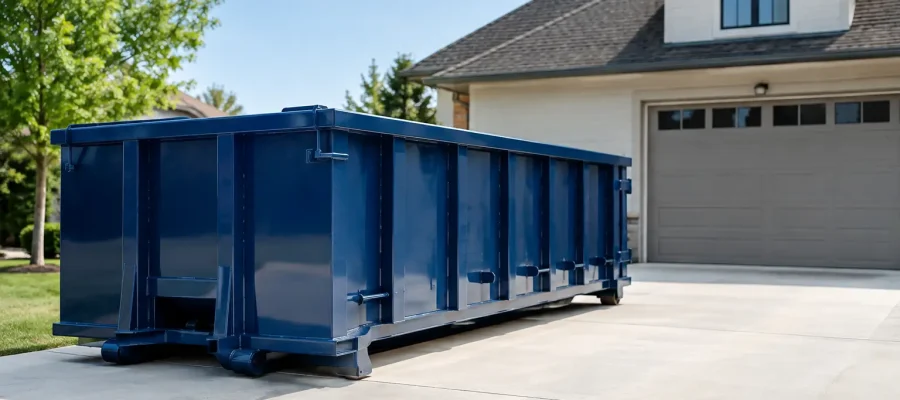
A 20-yard roll-off dumpster is a good fit when you have able-bodied family members, contractors, or helpers who can sort and load on their own schedule. It gives you room for furniture, household contents, renovation debris, garage clutter, and many other non-hazardous materials. It can also keep the job moving over several days instead of forcing everything into one pickup appointment.
Full-service junk removal is often the better call when the house is heavily packed, large furniture must come down stairs, the property is far from home, or the people handling the estate cannot safely do the lifting. A crew can handle labor, hauling, and responsible disposal from start to finish. It is also useful after a family has removed keepsakes and wants the remaining contents gone fast.
There is a trade-off. Loading a dumpster yourself can be more economical for a larger volume of straightforward debris. Full-service removal costs more because it includes labor, but it may save time, sore backs, and extra trips. Know the cost before anyone starts lifting, and be honest about the property conditions when requesting a quote.
A cleanout goes faster when restricted materials are identified early. Most standard dumpster loads cannot include hazardous waste, chemicals, paint, fuel, propane tanks, tires, batteries, certain electronics, or medical waste. Rules can vary by disposal facility, so ask before loading anything that seems questionable.
Set these materials aside in a clearly marked area. Do not hide them under furniture or household trash. That can create safety concerns, delay pickup, and lead to added disposal costs. Knoxville-area households can often find separate local disposal options for household hazardous waste and electronics, but those arrangements should be made before the final cleanout day.
Appliances can also require a quick conversation. Refrigerators, freezers, air conditioners, and other equipment may need special handling because of refrigerants or components inside them. When in doubt, call or text before you load it.
Work backward from the deadline. If the property must be listed, turned over to a landlord, closed on, or prepared for contractors, leave more time than you think you need. A good working schedule separates sorting days from loading days, then leaves a final day for sweeping, checking closets, and walking the property one last time.
Start with areas that hold the most personal or financial value: offices, bedrooms, closets, safes, filing cabinets, and storage boxes. Next, handle the rooms that are easiest to clear. Early progress helps the team see that the job is manageable. Save the garage, attic, basement, shed, and outdoor piles for later, once your keep and review areas are protected.
If family members are coming from out of town, set a firm review date. Items not claimed by that date need a clear next step. This may feel blunt, but an estate cleanout can sit unfinished for months when every decision remains open.
Whether you use a dumpster or a removal crew, safety should drive the pace. Wear gloves and closed-toe shoes. Use two people for bulky furniture. Keep walkways clear, and do not stack boxes in front of exits. Old homes may have loose flooring, weak steps, exposed nails, or poor lighting that makes rushed work risky.
For a dumpster, place heavy material on the bottom and distribute weight across the container. Break down furniture and boxes when practical so you do not waste space. Keep debris level with the top rail. Overfilled containers can violate transportation rules and may not be safe to haul.
Think about placement before delivery. A driveway location needs clear access for the truck, overhead clearance away from wires or low branches, and enough room to open the dumpster door if you plan to walk heavy items in. If you are concerned about driveway surfaces, ask about practical placement options before the delivery date.
Before pickup or the final removal appointment, walk every room with fresh eyes. Open cabinets, check behind doors, look under beds, and inspect the attic, garage, shed, and mailbox. Check for spare keys, personal documents, prescription medications, family photos, and items that may have slipped behind furniture.
Then take final photos of the cleared property. They are useful for family communication, property managers, real-estate professionals, and your own records. If contractors are coming next, a clean, open space also makes their estimate and work easier.
Estate work is never just about hauling things away. It is about giving a property a respectful next step while keeping the job safe, affordable, and moving forward. If the work feels bigger than your available time or help, THORTEX Dumpsters can help you choose between a 20-yard dumpster and full-service removal. Call or text today, explain what you are facing, and get a straightforward plan for getting the property cleared.
Post a Comment