- October 14, 2026
- By: Thortex Dumpsters
- in: News
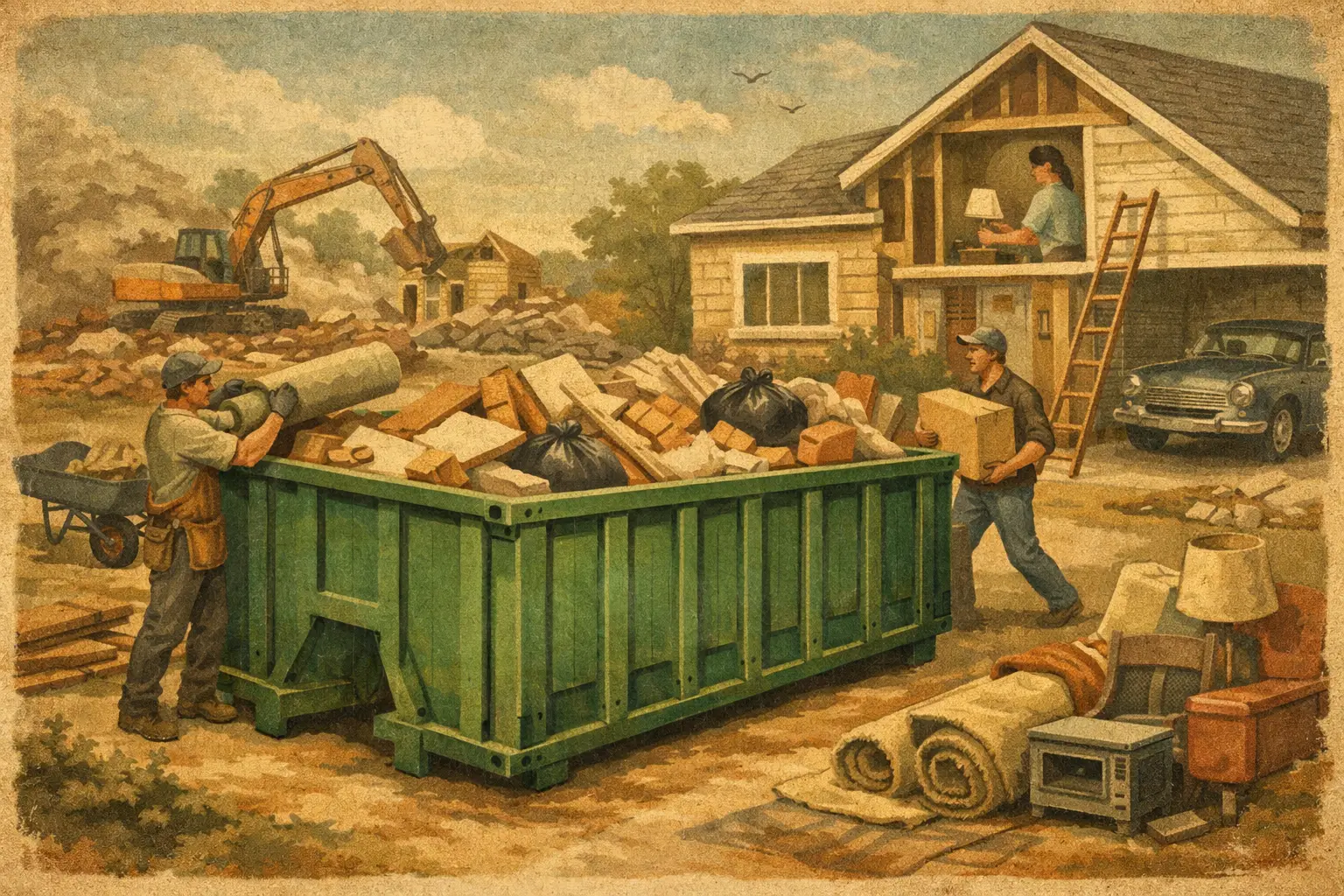
A 20-yard dumpster is the size many homeowners choose when a project has moved beyond a few trash bags but does not call for a huge commercial container. If you are asking what fits a 20 yard dumpster, picture roughly 20 cubic yards of space – enough room for a serious cleanout, a remodel, or a small construction project without taking over the entire driveway.
The exact amount depends on what you are throwing away. Light, bulky items fill a dumpster fast but may stay well under the weight limit. Dense materials such as shingles, dirt, concrete, tile, and wet lumber can reach a weight limit long before the container looks full. Knowing the difference helps you choose the right disposal option, avoid surprises, and keep your project moving.
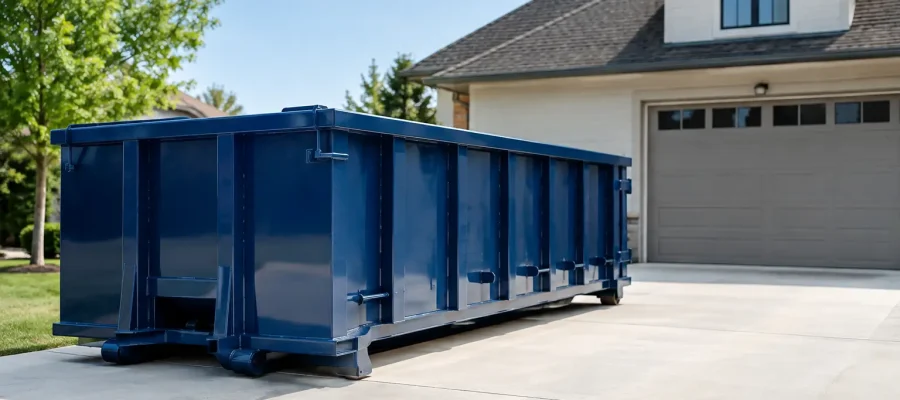
A typical 20-yard roll-off dumpster is about 22 feet long, 8 feet wide, and 4 to 5 feet tall, though dimensions can vary by container. That is approximately the footprint of a large vehicle with short side walls that make loading manageable from the ground.
For most jobs, a 20-yard dumpster handles the debris from a medium-sized home project. It is commonly a good fit for clearing out a two-car garage, cleaning up several rooms of household clutter, removing old flooring from a large section of a house, or disposing of debris from a bathroom or kitchen renovation.
It can also work well for landlords turning over a rental, real-estate professionals preparing a property for sale, and property managers facing an accumulated junk problem. If you can carry or wheel the material to the dumpster and load it safely, a 20-yard container gives you a practical amount of room to work without making repeated trips to a landfill.
A 20-yard container is often the right choice for projects such as:
For example, a garage full of broken furniture, old shelving, bagged trash, cardboard, and yard clutter may take up a large amount of space but usually is not as heavy as a dumpster full of brick or roofing shingles. A 20-yard dumpster is made for that kind of mixed debris volume.
Dumpster sizes are measured in cubic yards, which describes volume, not weight. Think of it like filling 20 boxes that are each three feet by three feet by three feet. That is a useful way to understand capacity, but disposal facilities charge based on what the load weighs, too.
Heavy debris deserves a little more planning. Concrete, dirt, rock, brick, asphalt, plaster, wet carpet, tile, and shingles can add weight quickly. A container may have plenty of visible room left, yet the load can still exceed the weight included with your rental.
If your job is mostly dense material, call or text before scheduling. Be direct about what you are removing and approximately how much. A local dumpster company should tell you whether a 20-yard container is appropriate, whether materials need to be separated, and how overage charges work if the load weighs more than the included amount.
Roofing is a common example where estimates matter. A small roof tear-off may fit comfortably in a 20-yard dumpster, while a larger roof with multiple layers of shingles can become very heavy. The same goes for demolition work. A few cabinets and drywall sheets are different from removing plaster walls, old tile, and solid wood framing.
When in doubt, describe the material instead of simply saying “construction debris.” Mention shingles, flooring, lumber, drywall, cabinets, or masonry. That gives your provider a clear picture and helps protect you from ordering a container that is too small or too heavy for the job.
How you load a dumpster affects how much fits and whether it can be safely hauled away. Start with flat, heavy items on the bottom. Break down cardboard boxes, disassemble furniture when practical, and place long items lengthwise. Use gaps between larger pieces for smaller debris rather than tossing everything in loose.
Keep all debris below the top edge of the container. A roll-off truck cannot safely transport material sticking up above the rails. Department of Transportation rules and road safety matter here. An overloaded dumpster may need to be unloaded or rearranged before pickup, which can delay the job and create extra work.
Do not assume you can stack material higher in the middle and cover it with a tarp. The load needs to sit level enough for safe transport. If you expect to fill the container to the top with bulky furniture, tree limbs, or renovation debris, plan your loading order early instead of trying to force the last few items in at the end.
A dumpster rental is designed for non-hazardous debris. There are materials that should not be placed in a roll-off because they create safety, environmental, or disposal problems.
Common restricted items include paint, solvents, chemicals, gasoline, propane tanks, batteries, asbestos-containing materials, medical waste, and other hazardous products. Appliances with refrigerant, such as refrigerators and air conditioners, have to be empty before loading.
Yard waste rules can vary based on the material and disposal location. If you are cleaning up a barn, shed, or property with old containers and unknown liquids, set those items aside first. It is always easier to ask before loading than to sort through a full dumpster later.
A 20-yard dumpster is a strong middle-ground option, but it is not automatically right for every project. For a single-room clean-out, a few pieces of furniture, or a small pile of debris, you may not need this much capacity. On the other hand, a full-house clean-out, major demolition project, or large roofing job may require more room or a second container.
Consider the project in terms of both material and pace. If you are working over several days and want room to keep the job site clean as you go, a 20-yard dumpster can be worth having even if you do not fill every inch. If you are clearing an estate or preparing a rental between tenants, having capacity on-site can prevent a rushed last day.
For homeowners who do not want to do the lifting, hauling, and loading, full-service junk removal may be the better choice. A crew can remove items from the house, garage, barn, or storage unit and handle disposal from start to finish. That is especially useful for heavy furniture, tight stairways, estate situations, or jobs where time is short.
A 20-yard dumpster needs a clear, accessible placement area. Most customers choose a driveway or a firm, level job-site location. Move vehicles, trailers, basketball goals, and other obstacles ahead of delivery. Check for low tree limbs and overhead wires, and make sure the truck has a clear route to place and retrieve the container.
If you are concerned about your driveway surface, ask about practical protection options before delivery. Placing boards under contact points may help in some situations, but every property is different. The goal is simple: choose a spot that is accessible, stable, and close enough to your work area that loading does not become a chore.
For Knoxville-area cleanouts, renovations, and property turnovers, THORTEX Dumpsters keeps the process straightforward. Explain what you are tossing, how long you need the container, and where it should go. You can know the cost and the rules before the dumpster ever reaches your driveway.
A 20-yard dumpster gives you room to make real progress. Load it smart, keep prohibited materials out, stay below the top rail, and call or text with questions before the pile gets bigger than the plan.
Post a Comment