- October 14, 2026
- By: Thortex Dumpsters
- in: News
A roll-off dumpster makes a garage cleanout, remodeling project, or rental turnover move faster – until pickup day reveals something the landfill cannot accept. Knowing what cannot go in a dumpster before you start loading protects you from delays, added disposal costs, and the hassle of pulling material back out of a full container.
For most home and job-site projects, a dumpster is the right fit for ordinary non-hazardous debris: old furniture, wood, drywall, flooring, cabinets, household clutter, and light construction waste. The materials below need a different disposal plan. Rules can also vary by landfill and waste facility, so asking before delivery is always the smart move when you are unsure.
The simple rule is this: do not place hazardous, flammable, pressurized, toxic, regulated, or liquid waste in a roll-off dumpster. Those materials can put drivers, landfill workers, and the public at risk. They can also contaminate soil and water long after a cleanup is finished.
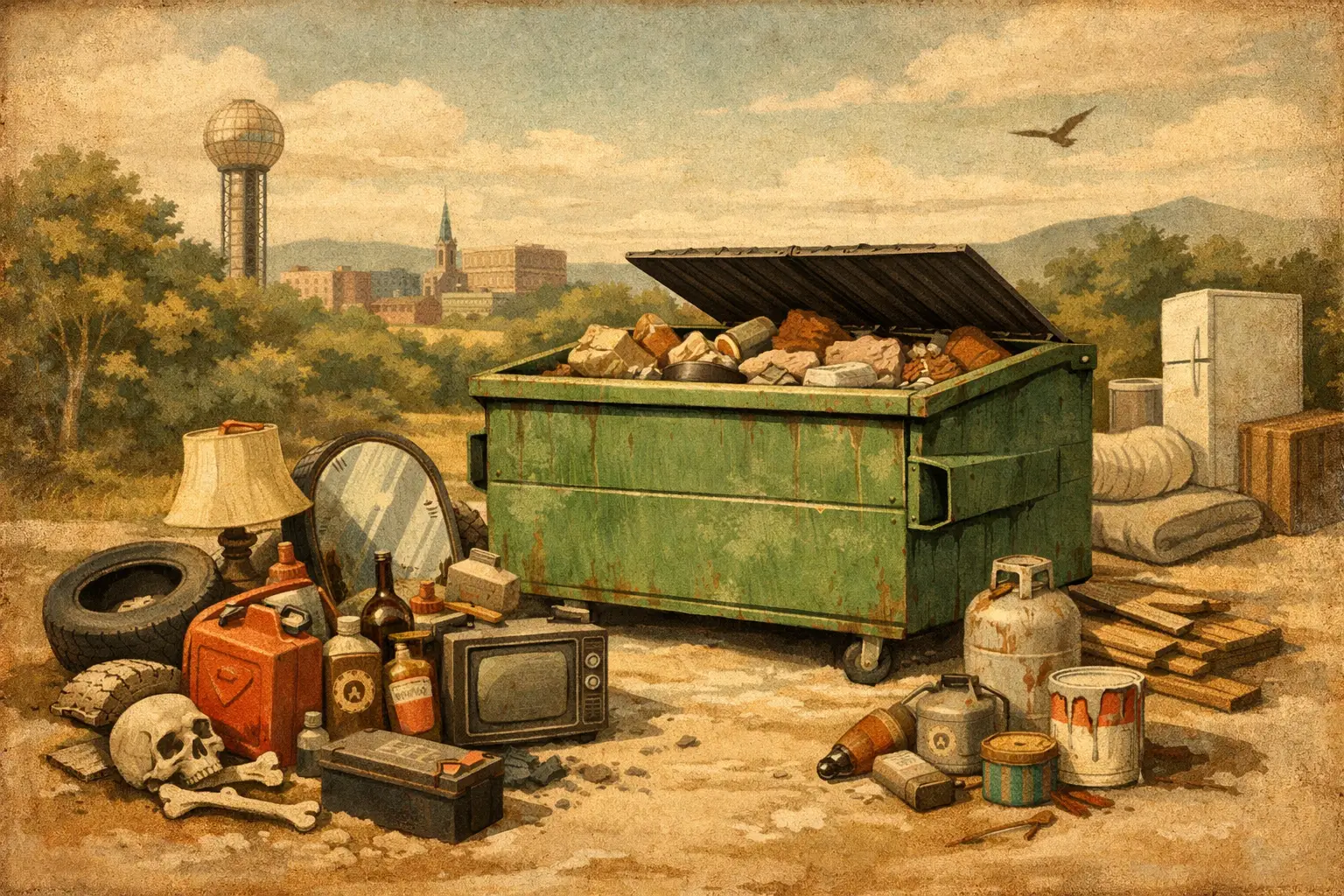
The most common restricted items include:
Do not assume an item is acceptable because it is small. A partly full gas can or old can of spray paint can create a bigger disposal issue than a sofa or a stack of lumber. Never hide restricted materials under debris. If they are found during pickup or at the disposal site, the load may be rejected or require extra handling.
Wet paint and chemical products are among the biggest no-go items. Latex and oil-based paints, pesticides, pool chemicals, cleaners, solvents, and wood treatments may require household hazardous waste disposal. Keep products in their original containers when possible so they can be identified safely.
A fully empty, dry paint can may be handled differently than a can with liquid paint inside, but that does not mean every facility accepts it in a dumpster. Do not pour paint, oil, chemicals, or fuel onto the ground, into a drain, or into the dumpster to make the container seem empty. Use an approved local drop-off program or ask your waste provider about the right route.
Motor oil, fuel, antifreeze, and similar fluids need special care. Many auto parts stores, service shops, and recycling programs accept certain automotive fluids or batteries. Call ahead before making the trip, especially if you have large quantities from a shop, farm, or equipment shed.
Batteries can leak corrosive chemicals and may cause fires when crushed or compacted. This applies to vehicle batteries as well as rechargeable tool batteries, lithium-ion batteries, and battery packs from lawn equipment. Set them aside in a dry place where terminals will not touch metal until you can take them to a proper collection point.
Propane cylinders, camping fuel canisters, fire extinguishers, and aerosol cans are also a problem because they can remain pressurized even when they feel empty. Compaction equipment is not forgiving. A pressurized container can rupture under force, creating a serious risk for the driver and disposal crew.
If you are clearing out a garage, barn, or storage unit, check shelves and workbenches before tossing boxes into the dumpster. These items are often tucked behind paint cans, tools, and old lawn equipment.
Concrete, brick, block, dirt, rock, asphalt, and roofing shingles are not hazardous in the same way as chemicals or propane. Still, they can become a problem quickly because of weight. A 20-yard dumpster can hold a lot of volume, but it is not meant to be packed solid with dense material.
A few broken concrete pieces mixed with household debris may be manageable. A driveway tear-out, foundation cleanup, or heavy roofing job is different. Dense debris can push a load over the allowed weight, create added charges, or make the container unsafe to haul. It may require a dedicated load, a smaller container, or a different disposal plan.
The same goes for dirt and rock. They are easy to load and surprisingly heavy. Tell the dumpster company what you expect to throw away, not just how much space you think it will fill. Honest details up front lead to a safer, more accurate recommendation.
Even approved debris cannot be piled above the top edge of the dumpster. Loads must be level with or below the rim so they can be transported safely and meet Department of Transportation requirements. Overfilled containers may need to be unloaded before pickup.
Place bulky items flat when you can, then fill open spaces with smaller debris. Keep heavy material spread across the bottom rather than building one concentrated pile. Do not place debris on the dumpster doors, and make sure the doors are latched before pickup.
Yard waste rules depend on where the load is going and what else is inside it. Brush, leaves, limbs, and grass may be accepted in some situations, but a mixed load can limit recycling options. Large amounts of stumps, soil, or landscaping debris should always be discussed before delivery.
Normal bagged household trash is often acceptable in a cleanup dumpster, but avoid liquids, loose food waste, animal waste, and anything likely to leak or create a strong odor. If you are cleaning out a rental property or handling an estate, separate obvious restricted materials first. It makes the rest of the job easier and keeps the container useful for the debris it was meant to carry.
Before throwing an unfamiliar item into the dumpster, ask three practical questions: Is it a liquid or chemical? Is it battery-powered, pressurized, or fuel-containing? Is it unusually heavy or subject to recycling rules? If the answer to any one is yes, set it aside and confirm the disposal method first.
That quick pause can save a pickup delay and an unexpected charge. For Knoxville-area cleanouts, renovations, and property turnovers, THORTEX Dumpsters can help you choose between a 20-yard roll-off and full-service junk removal, explain loading limits, and flag materials that need separate handling. Call or text before delivery if you have a questionable item. A clear plan before the first load goes in keeps your cleanup moving right to the finish.
Post a Comment