- October 14, 2026
- By: Thortex Dumpsters
- in: News

A garage that has not been cleared in 15 years, a bathroom renovation with old tile and drywall, or a rental property turnover can create more debris than a pickup truck can reasonably handle. A 20 yard dumpster Knoxville rental gives you one place to load it all while keeping the driveway, job site, and schedule under control.
For many local projects, 20 yards is the practical middle ground. It holds a substantial amount without taking up the space or creating the expense of a larger container that the project may not need. The right choice still depends on what you are throwing away, how heavy it is, and whether you can load it safely.
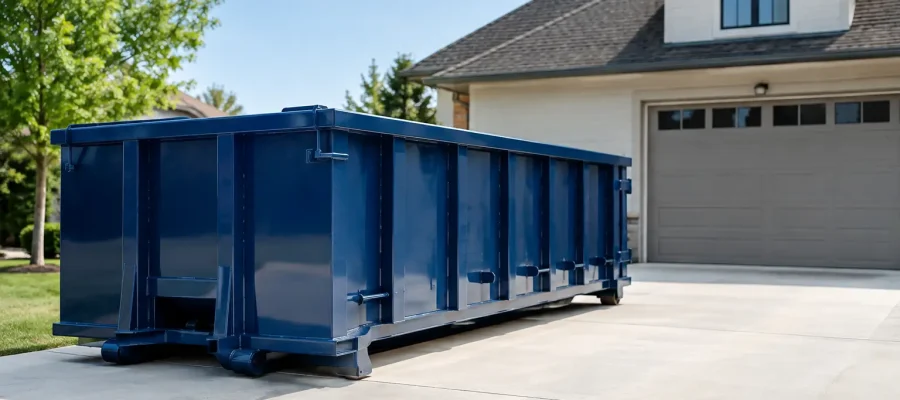
A 20 yard roll-off dumpster holds roughly 20 cubic yards of debris. In plain terms, it is often a good fit for a medium renovation, a major household cleanout, several rooms of flooring or carpet, or debris from a small construction project.
It is a popular size because it gives homeowners room to work without requiring repeated dump runs. Landlords and property managers also use it for move-out cleanouts, eviction turnovers, and getting a home ready to list. Contractors, installers, and small-business owners can use it for packaging, demolition debris, old fixtures, and non-hazardous construction waste.
Every project fills a container differently. Bulky but light items like furniture, boxes, and household clutter take up volume quickly. Dense materials such as concrete, brick, dirt, roofing shingles, and heavy tile can reach a weight limit before the dumpster looks full. That is why a quick conversation before delivery saves trouble later.
If you expect debris to build up over several days, renting a dumpster is usually easier than stacking material in the yard or making multiple trips to the landfill. It keeps debris contained, makes cleanup faster, and lets you work at your own pace during the rental period.
A 20-yard container is commonly a strong match for a kitchen or bath remodel, garage cleanout, estate cleanout, barn cleanup, basement clearing, fence replacement, or small demolition project. It can also be a useful option for a house cleanout when the homeowner or crew wants to load everything themselves.
There is a point where a dumpster is not the best answer. If you have a few large items, a packed storage unit, or an estate where nobody is available to do the lifting, full-service junk removal may be the better fit. A crew handles the carrying, loading, hauling, and disposal, so you do not have to spend a weekend moving heavy furniture or sorting a property alone.
THORTEX Dumpsters offers both options because the right service should fit the job, not force you into more work than you need.
A dumpster needs a clear, accessible place to sit. Most customers choose a driveway, parking area, or level job-site surface that is close enough to the work area for convenient loading. Before scheduling delivery, move vehicles, trailers, and other obstacles out of the way.
Measure the available space if the driveway is tight or has a sharp turn. Keep in mind that the delivery truck needs room to maneuver, raise the container, and set it down safely. Low tree limbs, utility lines, parked cars, and narrow gates can affect placement.
Protecting the surface matters, too. Driveways vary, especially older asphalt and decorative concrete. Ask about practical steps that can help protect the area where the container will rest. Clear communication before delivery is always better than trying to reposition a loaded dumpster later.
If the dumpster needs to sit on a public street or right-of-way, check local requirements before it arrives. Permit rules can depend on the exact location. Private-driveway placement is often simpler, but every property has its own access considerations.
A roll-off dumpster makes disposal easier, but it still has to travel safely when it is picked up. Load debris evenly from front to back and distribute heavier material instead of building one heavy pile in a single spot. Break down boxes and bulky items when possible so you do not waste valuable space.
Do not pile debris above the top rail. Material sticking up over the container can create a transportation problem and may need to be removed before pickup. Department of Transportation rules are not optional, and an overfilled container cannot be safely covered and hauled down the road.
Keep the pickup path clear when the job is finished. Move vehicles away, close gates if needed, and make sure there is access to the container. A simple text or call when you are ready helps keep pickup on schedule.
Most household and construction debris is acceptable, but hazardous and regulated materials require separate handling. Do not load items such as paint, chemicals, fuels, propane tanks, batteries, tires, asbestos-containing materials, or other hazardous waste unless you have confirmed they are accepted.
Appliances, electronics, mattresses, and certain large items may have separate disposal requirements or fees depending on the item and local disposal rules. Heavy debris also deserves a conversation before you load. When in doubt, ask first. It is the easiest way to avoid a delayed pickup or unexpected disposal charge.
The lowest advertised price does not always tell you what the rental will cost once hauling, disposal, weight, and extra days are added. Before booking, make sure you understand the rental period, included weight allowance, what happens if the container is overloaded, and the cost of an extension if your project runs long.
A clear quote should help you plan rather than leave you guessing. Describe the project honestly, including whether you expect dense material such as shingles, tile, dirt, or concrete. That gives the provider a better chance to recommend the right container and explain any material-specific limits.
Rental timing matters as much as size. Schedule delivery before demolition begins, not after debris is already spread across the driveway. If your contractor is working on a tight timeline, confirm the delivery window and plan pickup around the final cleanup. Local service should make it easy to reach a real person by phone or text when the schedule changes.
Flexible extensions can be helpful when a renovation uncovers more work than expected. Old homes, estate properties, and barns are especially likely to reveal a few surprises once cleanup begins. The key is to communicate early rather than waiting until the rental period has already ended.
Choose a dumpster when you have the labor to load it and want the flexibility to work over a few days. It is often the economical choice for remodels, cleanouts, and job-site debris where material is generated steadily.
Choose full-service junk removal when speed and labor are the bigger issue. This works well for furniture, estate contents, storage-unit cleanouts, rental turnovers, and situations where heavy lifting is not realistic. You get a quote before the work begins, then the crew handles the debris from start to finish.
There is no prize for choosing the tougher option. If the job is large but you have a crew, the dumpster gives you room to work. If the job is physically demanding or needs to be cleared quickly, junk removal may save time, strain, and several extra trips.
A 20 yard dumpster can turn a messy project into a manageable one, provided the size, materials, placement, and pickup plan are clear from the start. Call or text today, explain what you are cleaning out or tearing out, and get straightforward guidance before the first load hits the driveway.
Post a Comment