- October 14, 2026
- By: Thortex Dumpsters
- in: News
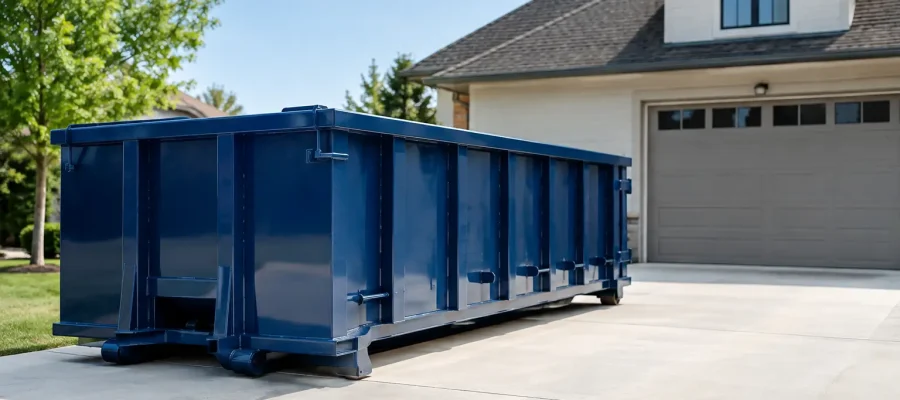
A roll-off dumpster makes a big cleanup feel manageable – until you are standing in the driveway wondering whether that old paint can, refrigerator, or pile of shingles can go in. Knowing what can you put in roll off dumpster rentals before delivery helps prevent delays, extra disposal charges, and the headache of unloading prohibited material later.
For most Knoxville-area home projects, a 20-yard dumpster is a practical fit for ordinary, non-hazardous debris. Think renovation tear-out, household clutter, wood, drywall, and job-site waste. The key word is non-hazardous. Disposal facilities have strict rules, and some materials require a separate drop-off, special handling, or a different plan altogether.
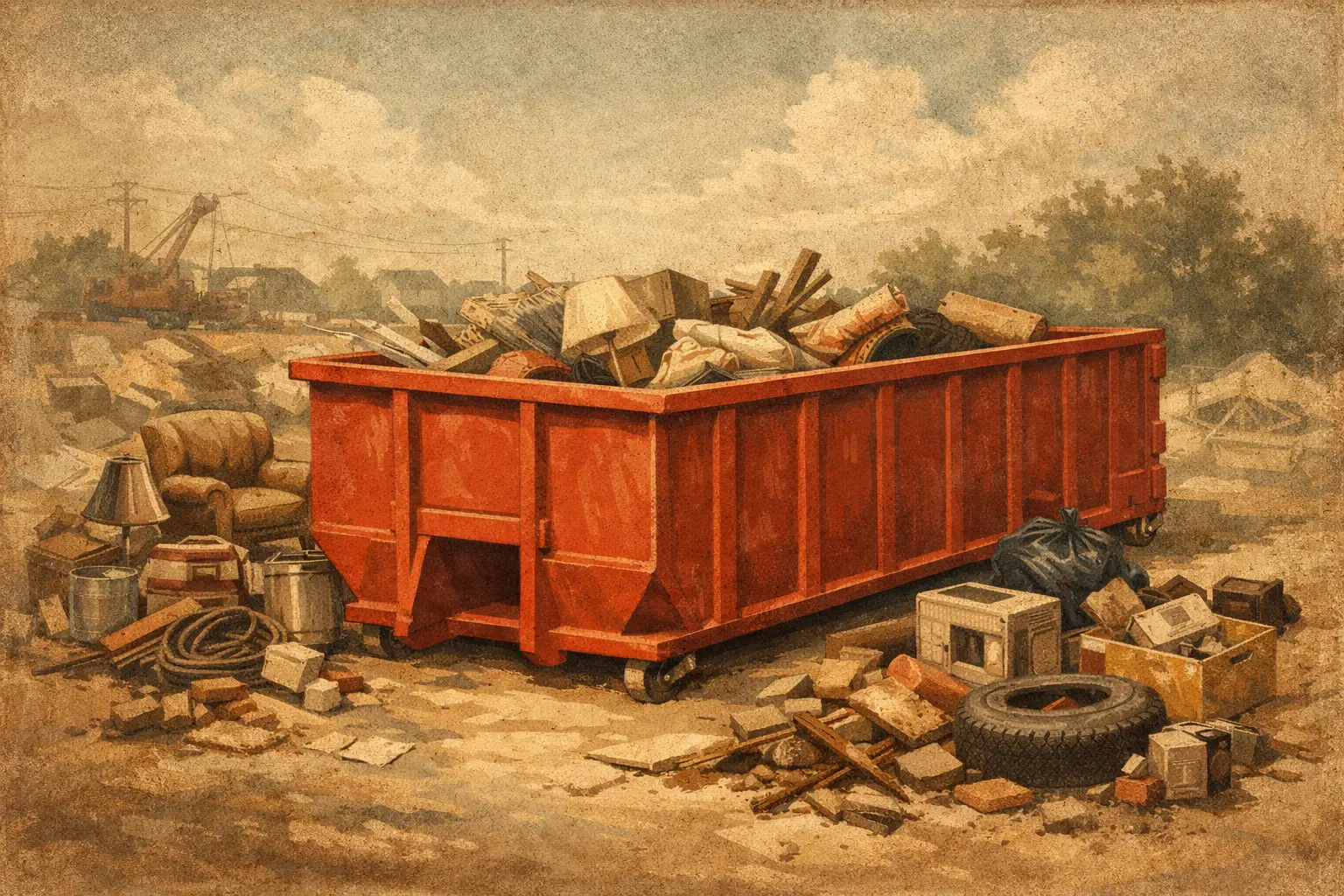
Most customers rent a dumpster because they have more debris than a pickup truck can reasonably handle. Common accepted materials include household junk, remodeling debris, furniture, flooring, and general construction waste.
Garage cleanouts, moving cleanouts, estate cleanouts, and rental turnovers often produce a mixed load of everyday items. In most cases, you can load old furniture, mattresses, box springs, clothing, toys, books, dishes, shelving, carpet, rugs, and ordinary household clutter.
Broken-down cardboard, non-electronic plastic items, and bagged trash are generally fine too. Bagging loose trash is a smart move, especially when wind or rain is expected. It keeps the load cleaner and makes it easier to use the available space.
If you are clearing a barn, shed, or storage unit, separate anything that may contain chemicals, fuel, oil, or batteries before the dumpster arrives. Those items are easy to overlook when a cleanup is moving quickly.
A roll-off dumpster is built for the debris that comes from making a space better. You can typically load wood framing, lumber scraps, plywood, cabinets, doors, drywall, trim, old countertops, carpet, padding, vinyl flooring, laminate flooring, and non-hazardous insulation.
Bathroom and kitchen updates also create plenty of accepted debris: old vanities, sinks, toilets, tubs, shower surrounds, and tile can usually go in. Small amounts of roofing debris, siding, and fencing are often acceptable as well, provided the container stays within its weight allowance.
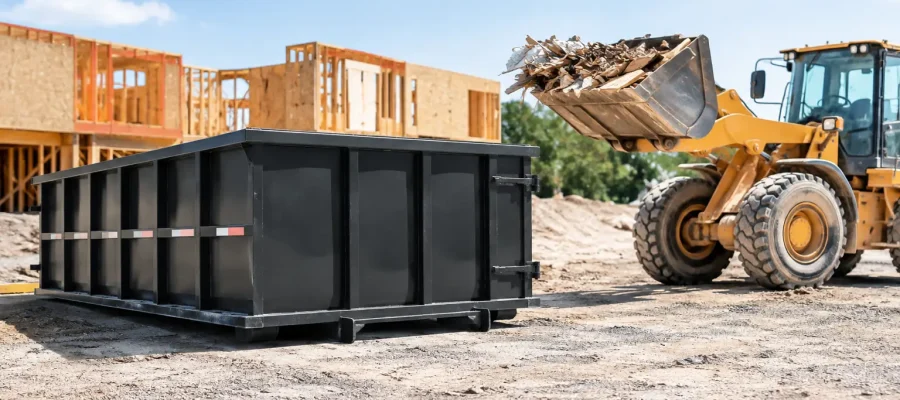
Contractors and installers commonly use a 20-yard dumpster for tear-out, light demolition, flooring replacement, deck removal, and small construction jobs. It keeps the job site safer and avoids repeated trips to a disposal facility.
Brush, limbs, leaves, storm debris, untreated wood, and small amounts of yard waste may be acceptable, depending on the disposal route and the mix of materials in the load. Yard debris is bulky, so it helps to cut limbs into manageable lengths and place them flat in the container.
Dirt, rock, gravel, brick, block, and concrete need extra attention. They are not automatically forbidden, but they are extremely heavy. A 20-yard container filled with dense material can exceed safe hauling and disposal weight limits long before it looks full. If your project involves a substantial amount of concrete or dirt, call or text before booking so the load can be planned correctly.
The simple rule is this: if an item can leak, ignite, explode, contaminate the load, or requires regulated disposal, keep it out of the dumpster. A landfill or transfer station can reject an entire load when prohibited materials are found, which can create added costs and slow down pickup.
Do not place these materials in a standard roll-off dumpster:
Wet paint is one of the most common problem items. Empty, fully dried paint cans may be treated differently than cans containing liquid paint, but do not assume they can go in without checking. The same goes for aerosol cans. If you are not sure whether an item is empty or regulated, set it aside and ask first.
Appliances deserve a quick check before you load them. Stoves, washers, dryers, and dishwashers may be accepted if they do not contain hazardous fluids. Refrigerators, freezers, air conditioners, and dehumidifiers are different because they may contain refrigerant. They usually need proper refrigerant recovery before disposal.
Electronics should stay out of a standard dumpster unless you have confirmed otherwise. Televisions, monitors, computers, printers, and similar equipment may contain components that require special recycling. Local recycling or specialty disposal programs are often the right place for those items.
If your cleanout includes a few questionable items alongside a large amount of regular junk, there are two good options. Set the specialty items aside for proper disposal, or consider full-service junk removal. THORTEX Dumpsters can handle the labor and hauling when you would rather not sort, lift, or load everything yourself.
A dumpster can look only half full and still be too heavy to haul safely. Roofing shingles, plaster, tile, concrete, soil, brick, and wet debris add weight fast. This is why a rental that works well for a garage cleanout may not be the right setup for a demolition project with several tons of masonry.
Load heavier materials across the bottom of the dumpster rather than piling them in one spot. Then place lighter, bulky items on top. This helps use the space efficiently and keeps the container balanced for transport.
It also depends on what you are throwing away. A 20-yard dumpster may hold a large amount of furniture, cardboard, and wood, but the same container should not be packed full of dirt or concrete. Be straightforward about your project when scheduling. Clear details up front lead to better advice, the right rental plan, and fewer surprises when pickup day arrives.
The driver must be able to tarp and transport the dumpster safely. Keep all debris at or below the top rim. Do not stack material above the rails, lean items out of the container, or leave loose debris around the outside of the dumpster.
Long items such as lumber, fence panels, and carpet rolls should be cut down or placed so they sit fully inside the box. If a door, mattress, or sheet of plywood is sticking up, it may need to be repositioned before pickup. This is not just a company rule – it is a road-safety requirement.
Before the scheduled pickup, make sure the truck has clear access to the dumpster. Move vehicles, keep gates unlocked if needed, and clear low branches or other obstacles from the approach. If you need more time, ask about an extension before the rental period ends. A quick call or text is easier than scrambling with a full dumpster in the driveway.
A roll-off is a great option when you want to work at your own pace and load debris as you go. It is especially useful for renovations, weekend cleanouts, property turnovers, and projects that create material over several days.
But if the job involves heavy lifting, a packed estate, a messy eviction, a large barn cleanout, or a tight deadline, full-service junk removal may be the better choice. A crew can do the loading, hauling, and disposal while you focus on the property itself. Know the cost before anyone lifts a thing, and choose the option that saves you the most time and stress.
When you are sorting through a cleanup, keep one simple pile for regular non-hazardous debris and another for anything questionable. Call or text before loading the second pile. A two-minute question can keep your project moving and make pickup day the easy part.
Post a Comment