- August 13, 2026
- By: Thortex Dumpsters
- in: Uncategorized

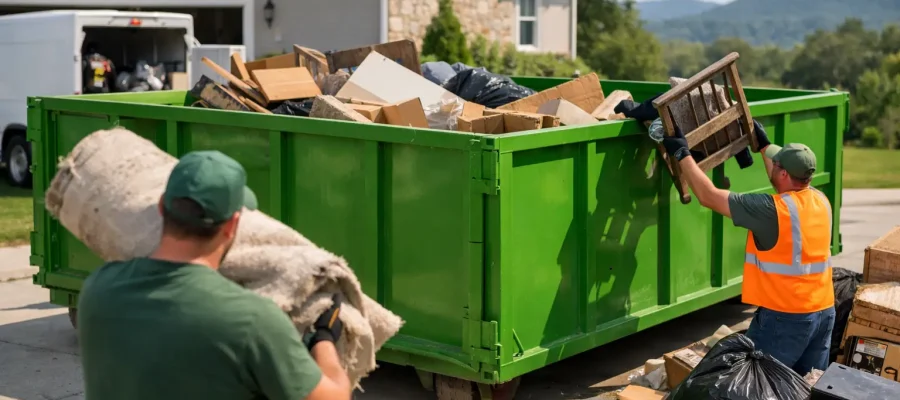
A 20 yard dumpster rental Knoxville homeowners can use without overthinking the cleanup is often the sweet spot for a serious project. It holds far more than a few pickup-truck loads, yet it is usually manageable for a driveway or job site. The key is matching the container to the debris, not just the size of the room you are cleaning out.
Whether you are tearing out a kitchen, clearing a packed garage, turning over a rental, or cleaning up a property after a move, a little planning keeps the job moving and helps you avoid surprises at pickup.
A 20 yard roll-off dumpster is a practical middle-size option for projects that have outgrown curbside trash service. It is commonly used for medium renovations, household cleanouts, flooring removal, roofing debris within approved weight limits, and small construction jobs.
For a homeowner, think of it as room for the contents of several rooms, bulky furniture, boxes, wood, drywall, and general non-hazardous debris. For contractors and installers, it provides enough working capacity for many smaller jobs without leaving an oversized container sitting on a tight site.
It depends on what you are throwing away, though. Twenty cubic yards of cardboard boxes weighs far less than twenty cubic yards of broken concrete, dirt, shingles, or wet lumber. Dense materials can reach a weight allowance quickly even when the dumpster does not look full. If your project involves heavy debris, call or text before delivery so you can get clear guidance on the right container and disposal plan.
A 20 yard dumpster is often a good call for a full garage or attic cleanout, a basement cleanup, several rooms of old flooring and carpet, a deck tear-out, a kitchen or bathroom remodel, or a rental-property turnover. It also works well for estate cleanouts where there is too much material for regular trash pickup but the home is not being fully demolished.
Property managers and real-estate professionals often appreciate the flexibility. One container can keep a turnover project orderly while maintenance crews, painters, cleaners, and installers move through the property. Instead of stacking debris beside the building or making repeated dump runs, the material has one designated place from the start.
Most ordinary renovation and cleanout debris is acceptable. That includes household junk, furniture, mattresses, bagged trash, wood, drywall, carpet, cabinets, non-hazardous construction debris, and many types of yard waste. Break down boxes and bulky items when possible. You will get more usable space and a cleaner loading area.
There are materials that should not go into a standard roll-off dumpster. Hazardous or regulated items require separate handling, and placing them in the container can create safety issues and disposal charges. Before loading, set aside items such as paint, chemicals, oils, fuel, propane cylinders, batteries, tires, asbestos-containing material, medical waste, and electronics if they are not approved for the load.
Appliances can also require a quick conversation, especially units containing refrigerants. Do not assume that an old refrigerator, air conditioner, or freezer can go in with general debris. A direct call or text is the fastest way to confirm what is allowed and what needs another disposal option.
Heavy materials deserve the same attention. Concrete, brick, asphalt, soil, and rock may need to be loaded in limited quantities or placed in a dedicated container. This is not a meaningless rule. Weight limits exist because hauling equipment, roads, and disposal sites all have legal and safety requirements.
The easiest dumpster rental is the one with a clear place to land. Choose a level, accessible spot close enough to the work area that loading is not a chore, but far enough away that it does not block vehicles, garage access, or daily routines.
A driveway is often the best location for a residential cleanup. Move cars, trailers, and equipment before the truck arrives. Make sure gates are open and low branches, basketball goals, overhead wires, or other obstacles will not interfere with access. If you are using a job site or commercial property, coordinate with the crew so no one parks in the delivery area.
If you are concerned about the driveway surface, ask about protective boards or practical placement options. Every property is different. Asphalt on a hot day, decorative concrete, and soft ground all deserve more care than a sturdy, level paved drive.
You may also need to check whether your neighborhood, property owner, or local rules require approval for a dumpster placed on a street or shared area. Most customers can keep the container on private property and avoid that issue altogether, but it is better to ask before delivery than solve it after the truck arrives.
Once the container is in place, load heavy materials first and spread them across the bottom. This keeps the load balanced and makes better use of the space. Then add lighter, bulky items on top. Break down furniture, flatten cardboard, and cut long materials when it is safe to do so.
Do not pile debris above the top rail. A dumpster that is overfilled cannot be safely covered and transported. Department of Transportation rules require loads to be secure, and material sticking out over the sides can delay pickup until it is brought down to a safe level.
Keep debris inside the container, not around it. Loose piles beside the dumpster are easy to overlook and may not be included in pickup. They also create a trip hazard for your family, tenants, employees, or crews working nearby.
If you are cleaning out a home over several days, close or secure access to the container when practical. This helps prevent neighbors or passersby from adding their own trash to your load. Once outside material goes in, it becomes your disposal problem.
A dumpster should support your schedule, not force you to rush through a cleanup. Before delivery, confirm the rental period, the included weight allowance, the extension rate if you need more time, and the pickup process. Clear answers upfront are what transparent pricing looks like.
Some projects move quickly. Others uncover more debris than expected after a wall comes down or a storage unit is opened. Flexible extensions can make a real difference when a renovation shifts by a few days. It is always better to request extra time before the scheduled pickup than to leave the container blocked or overloaded on collection day.
When you are ready, make sure the area in front of the dumpster is clear for the truck. Do a final walk-around, bring the load below the rails, and remove any items that should not be transported. That simple check helps pickup happen on time.
A dumpster is the better choice when you have the time and ability to load debris yourself. It gives you room to work at your pace, which is useful for renovations, long weekends, and ongoing property cleanups.
Full-service junk removal makes more sense when the labor is the real problem. If you are dealing with a heavy estate cleanout, an eviction, a barn full of accumulated items, or furniture that cannot be safely moved alone, having a crew handle the lifting, hauling, and disposal can save time and strain. THORTEX Dumpsters offers both options, so you can choose the service that fits the job instead of forcing the job into one solution.
For first-time renters, the best move is simple: describe the project honestly, mention any heavy materials, and ask about the rental terms before the dumpster is scheduled. Call or text today, get the details in plain language, and give yourself enough room to finish the work without making disposal the hardest part of the project.
Post a Comment